01
Start with the operating record
Seasonal maintenance should respond to actual line behaviour. Review alarms, unplanned stops, fill-level variation, cap faults and sanitation records before deciding which interventions are required.
02
Inspect the hygienic process path
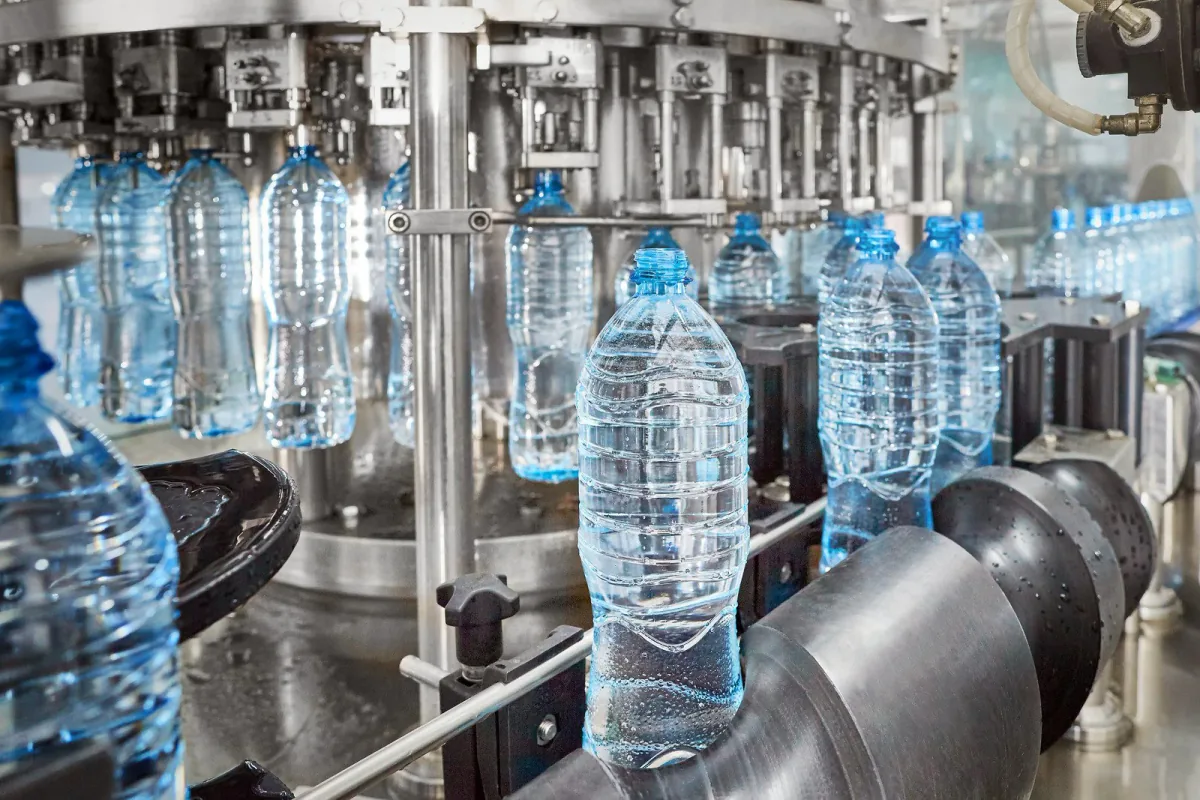
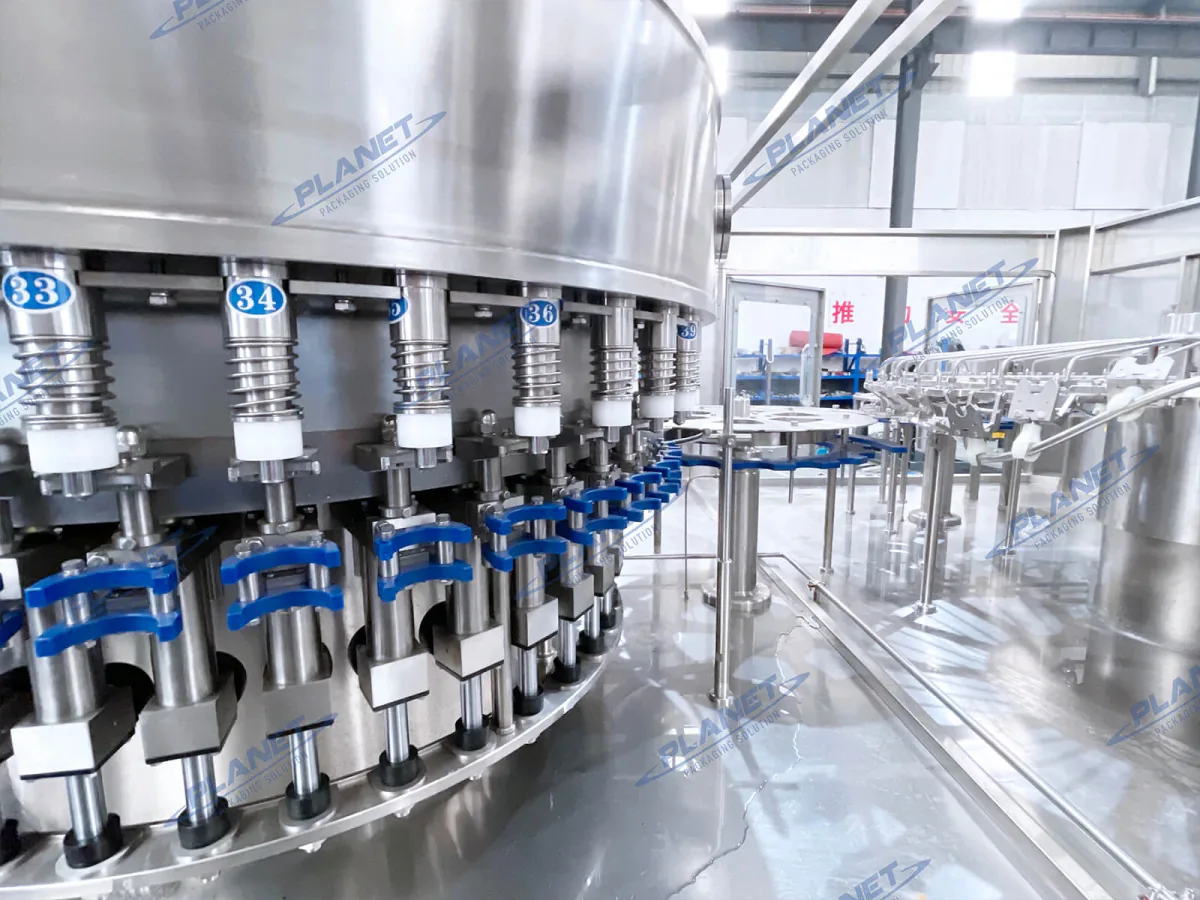
Check product-contact surfaces, filling valves, manifolds, seals and drain points for residue, wear or incomplete cleaning. Confirm the approved cleaning sequence before the line returns to production.
- Inspect filling valves and seals
- Check rinse and product circuits for leaks
- Verify cleaning concentration, time and temperature where monitored
- Confirm that guards and drain routes are clean and secure
03
Check motion and container handling
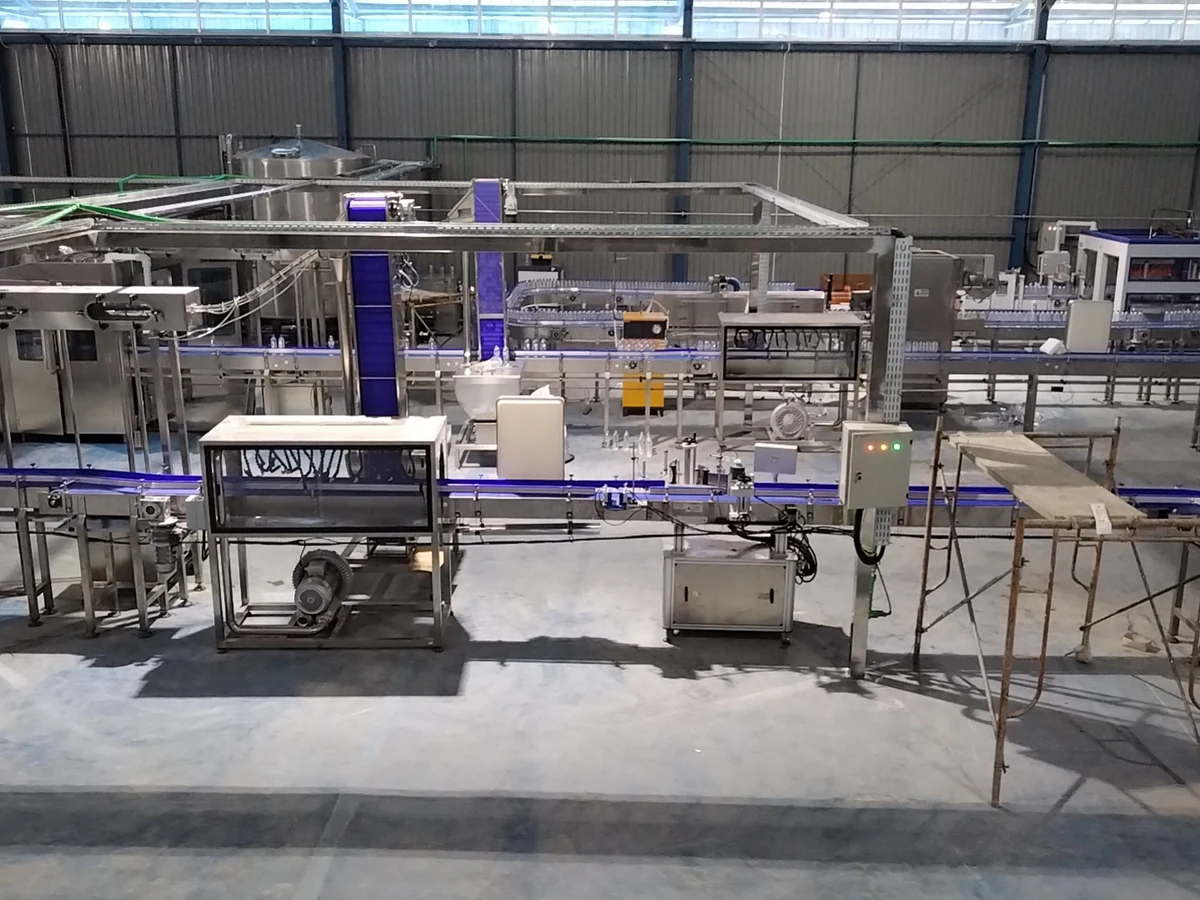
Neck guides, star wheels, conveyor rails, cap tracks and drive components should be checked against the current bottle and cap. Replace worn contact parts and confirm lubrication only at the specified points.
04
Restart under controlled conditions
Run the line at reduced speed after maintenance, observe transfers between machines and verify fill level, cap application, label position and pack stability. Record the results so the next maintenance cycle starts with evidence.