
Low dissolved oxygen
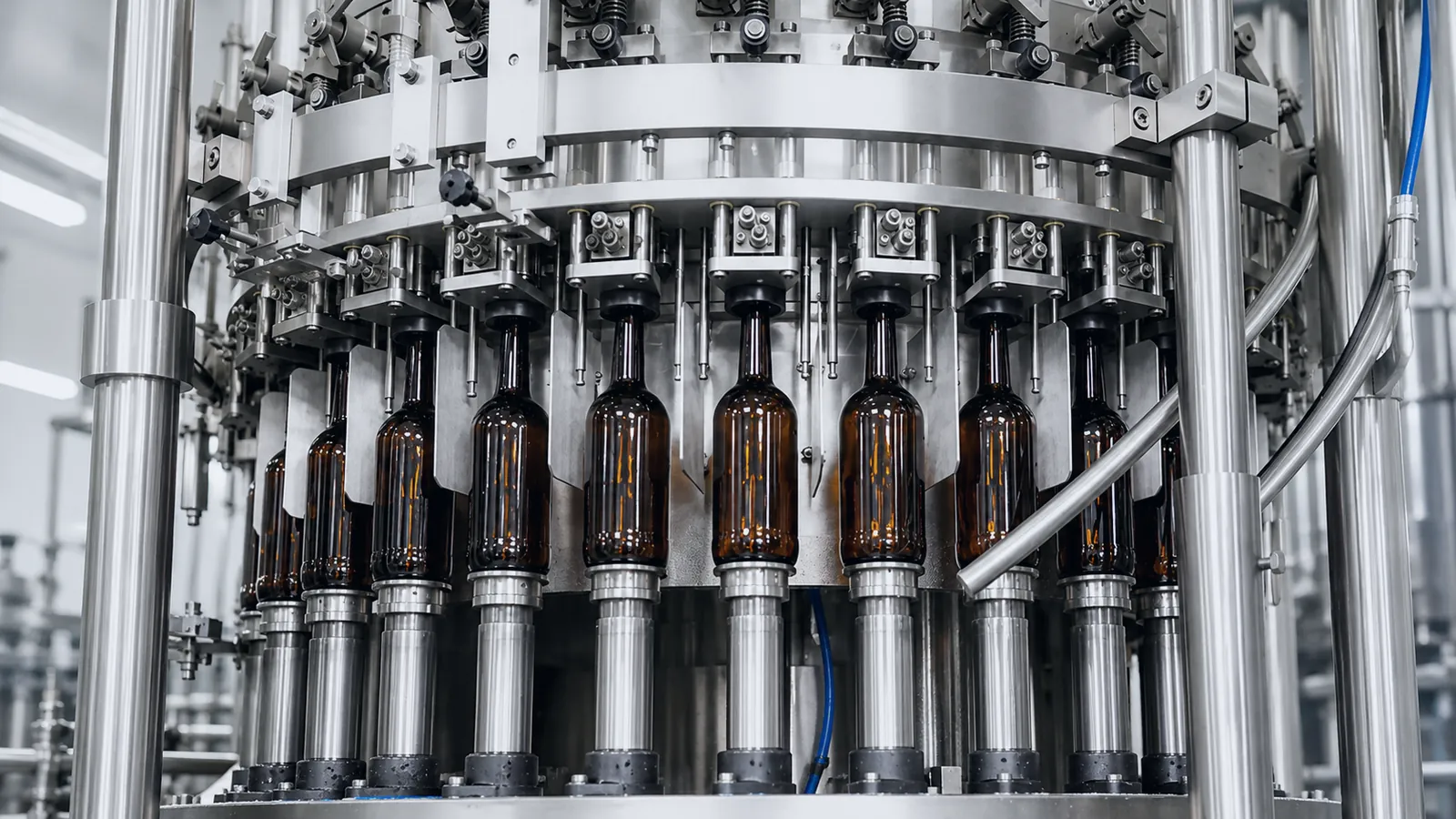
Coordinate product transfer, container purging, filling and closing to limit oxygen pickup.
Beer solution / Glass container
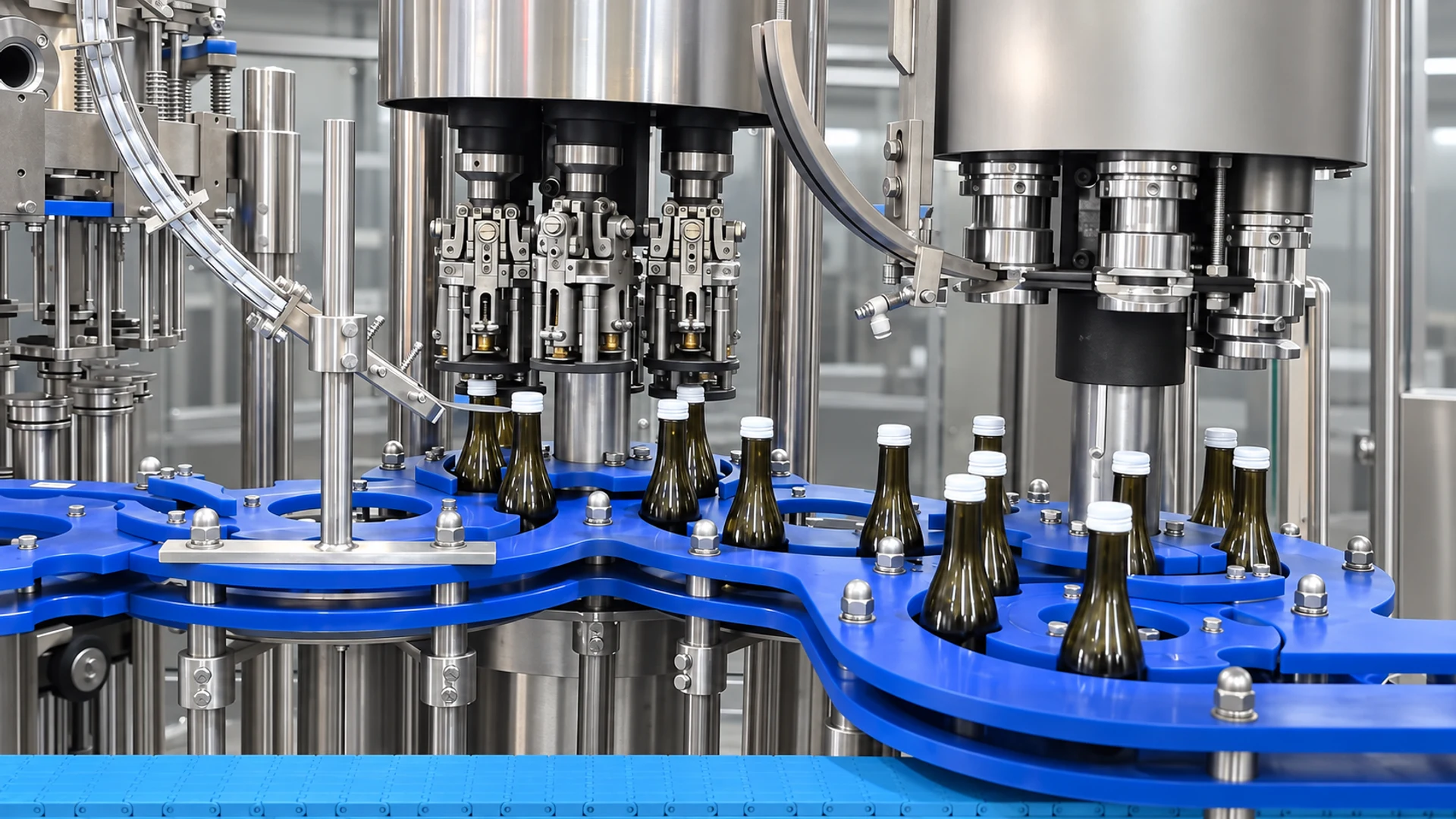
Connect new or returnable bottle preparation, protected beer transfer, low-oxygen counter-pressure filling, crown or cap closing and final packaging as one controlled route.
Request a line proposalComplete solution
Plan the line around bottle condition, beer temperature, carbonation, oxygen target, closure and shelf-life strategy. New and returnable bottles follow different preparation routes before meeting the same protected filling core.
Engineering signals
Each decision connects beer condition and package performance to a controllable part of the line.
Coordinate product transfer, container purging, filling and closing to limit oxygen pickup.
Depalletize and rinse new glass, or wash, inspect and reject returnable bottles before filling.
Balance temperature and pressure to control foam while preserving carbonation.
Apply the confirmed crown or cap and establish inspection criteria for a secure seal.
Integrate tunnel pasteurization only when the beer and shelf-life plan require it.
Complete line scope
The final equipment count follows the bottle supply route, closure, beer condition, thermal strategy and pack format.
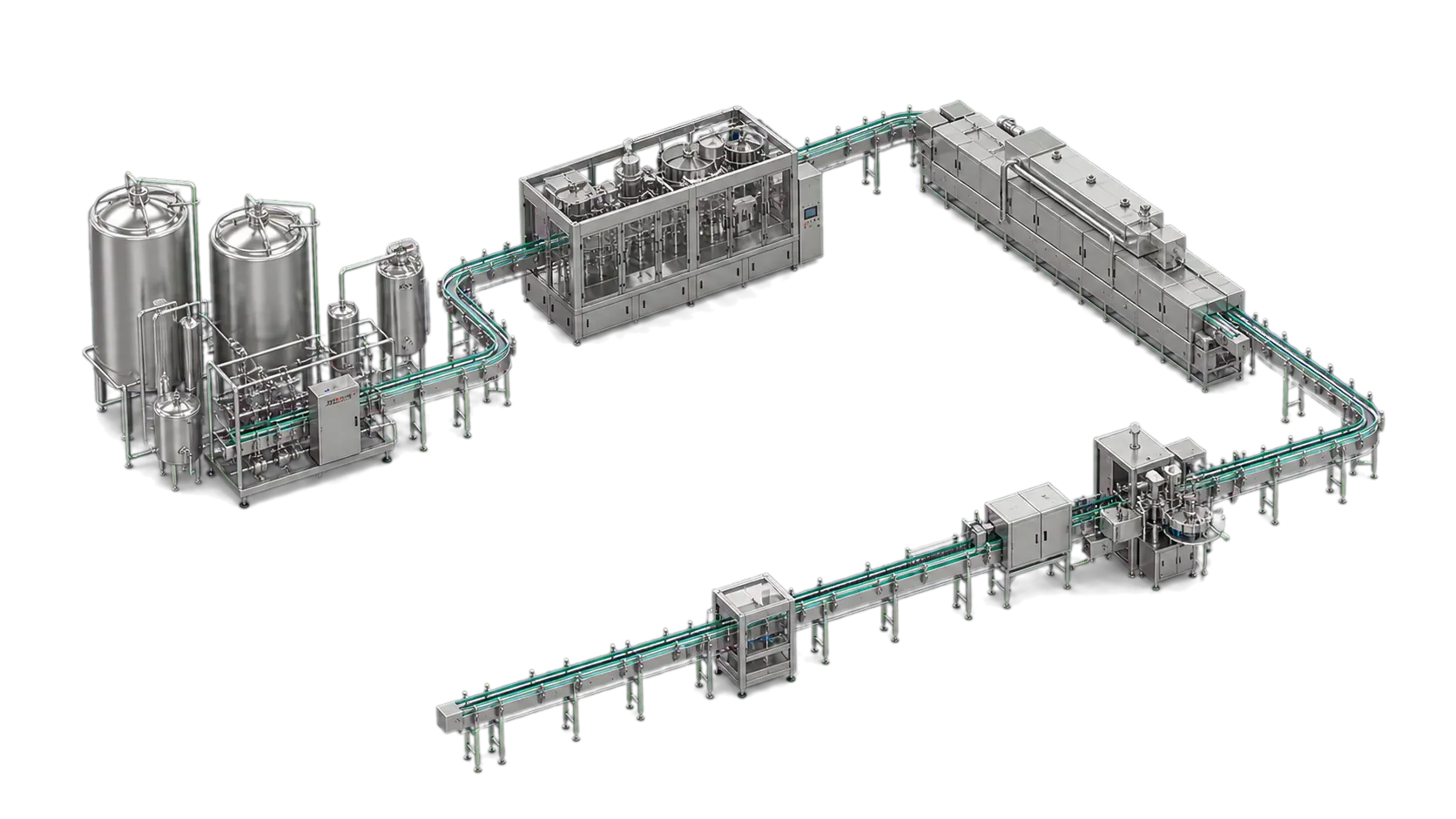
New-glass depalletizing or returnable-bottle washing and inspection
Bright beer inlet, optional final filtration, pressure and temperature control
Bottle rinsing, low-oxygen counter-pressure filling and transfer
Crown cork or project-specified cap handling and application
Tunnel pasteurizer, warmer or bypass according to the approved process
Inspection, labeling, coding, case or film packing and palletizing
This section defines functional scope only. Equipment count, footprint, rated output, utilities and performance acceptance criteria require project engineering.
Production process
Select a stage to review its operating purpose and handoff. Images illustrate equipment families and are replaced when project-specific media is available.
Accept beer from the bright beer tank or agreed upstream battery limit under defined temperature and pressure.
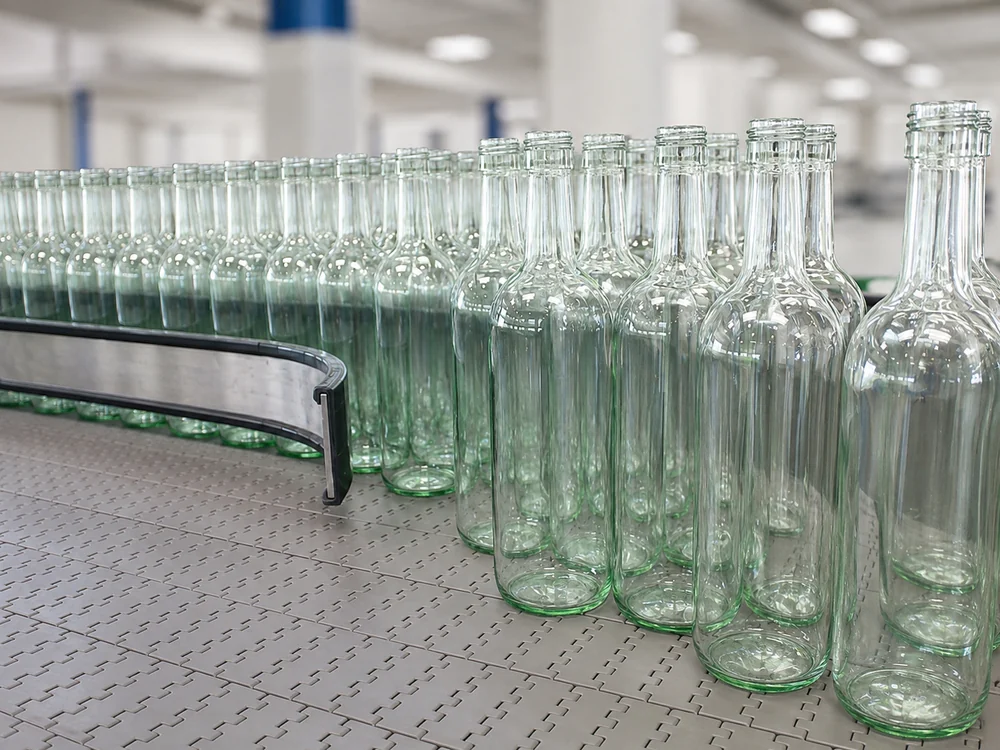
Depalletize and rinse new bottles, or wash and inspect returnable glass before filling.
Purge where required, balance pressure and fill cold beer while controlling foam and oxygen exposure.
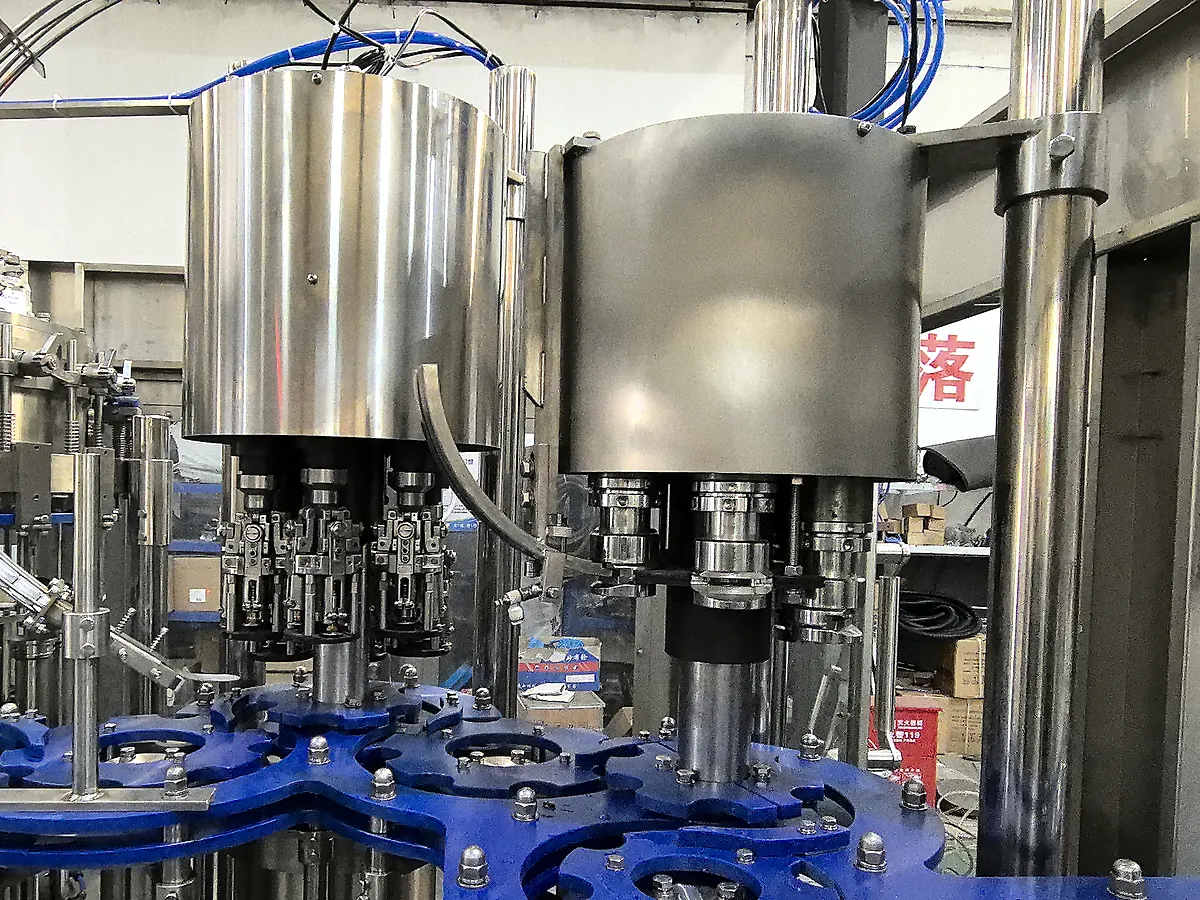
Apply the specified closure, then verify placement and sealing integrity.
Use tunnel pasteurization or the confirmed alternative when required by the product plan.
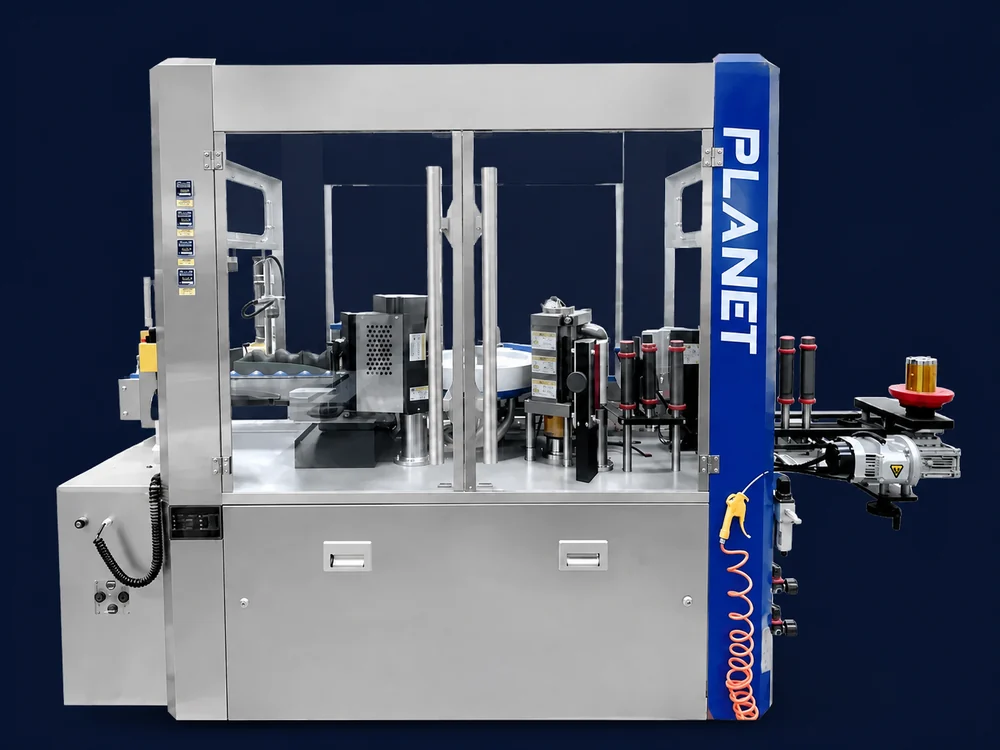
Apply the approved label or decoration and print the required production code.
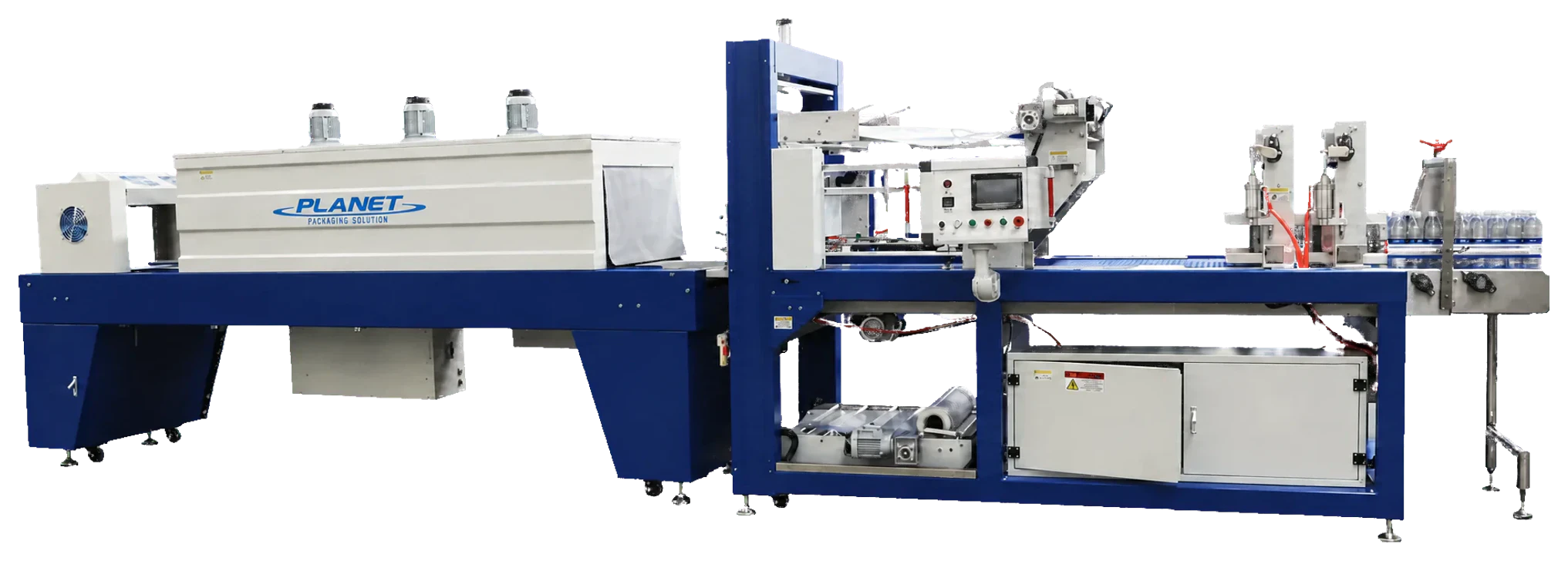
Group finished containers into the confirmed film, tray or carton format.
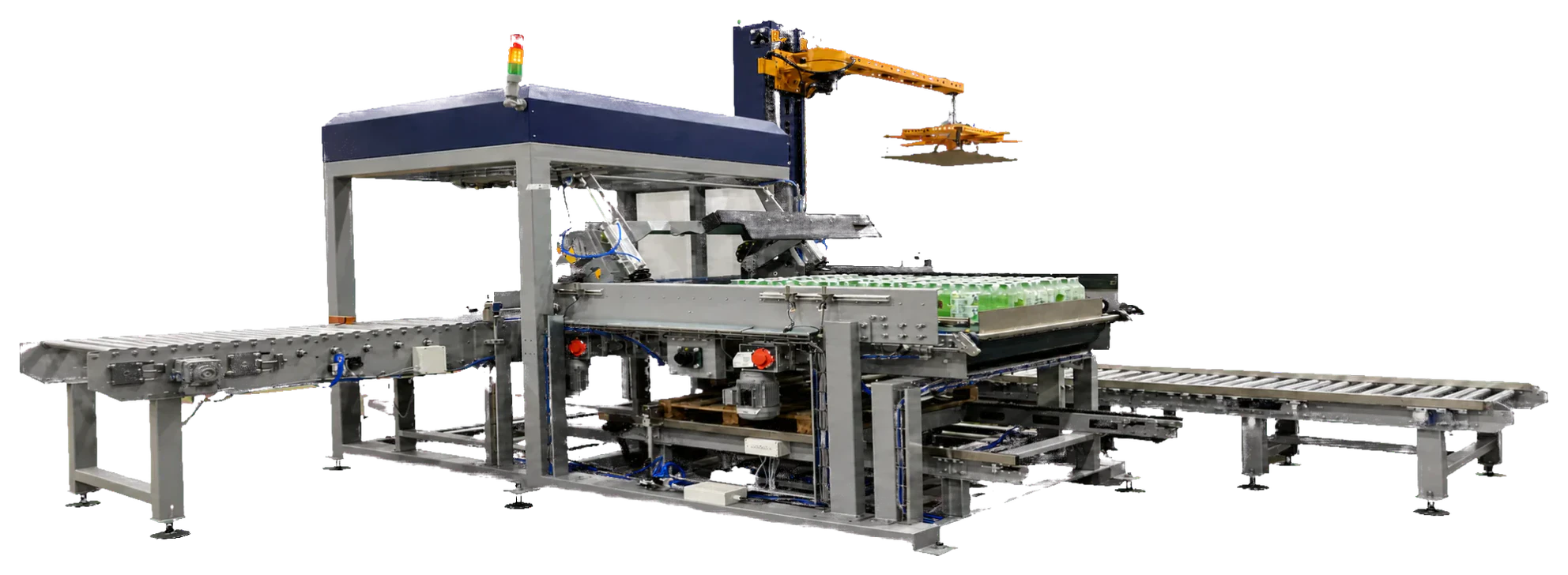
Arrange finished packs for stable warehouse handling and distribution.
Hygiene & quality
Final limits and sampling plans come from the brewer, package suppliers and project acceptance basis—not from a generic catalog.
Measure against the brewer-approved control plan.
Reject damaged, dirty or unsuitable bottles before filling.
Check repeatability and presentation across the selected format.
Verify crown or cap placement and seal condition.
Confirm repeatable cleaning of the product-contact path.
Project inputs
Share confirmed facts and mark open questions. The proposal can then separate included equipment, options and assumptions.
FAQ
These answers establish the engineering basis without inventing model ratings or product guarantees.
Yes, but returnable glass requires a defined bottle-washing, inspection and rejection route. Bottle pool quality and residual-risk criteria must be confirmed before the washer and inspection scope are selected.
It balances pressure during filling to reduce foaming and carbonation loss. The final method depends on beer temperature, carbonation, bottle geometry and the approved oxygen-control strategy.
No. Stabilization depends on the beer, upstream process, microbiological plan, distribution and shelf-life target. The decision belongs to the brewer and process team.
Crown corks are common, while other caps may be evaluated from the bottle finish and supplier drawings. Bottle and closure must be approved as one package.
Send us the product, package format and target output. We return a line configuration and budgetary quote.
Inquiry received
Our engineering team will respond within 24 hours with a line configuration.
Reference —