
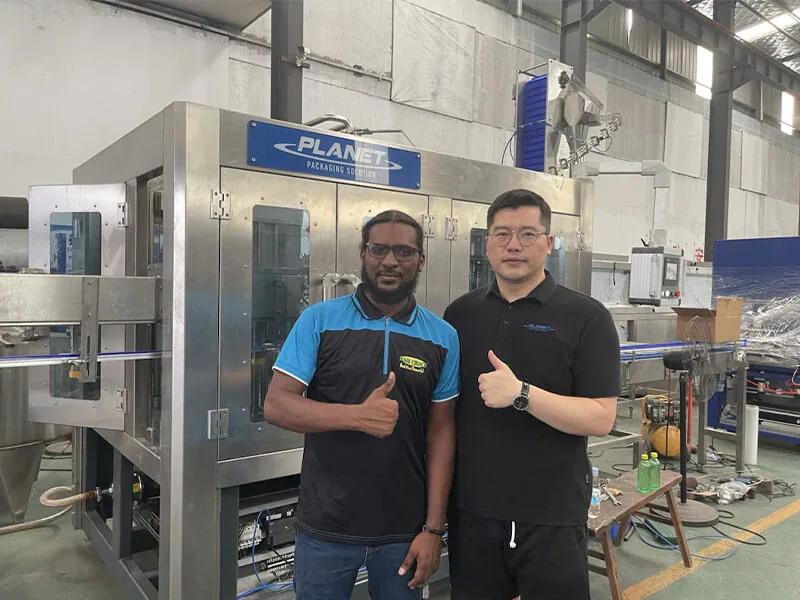
Ginger juice
Jamaica
Nitrogen dosing selected to support the required fresh-ginger-juice shelf life.
- Application
- Fresh ginger juice
- Project focus
- Ginger juice
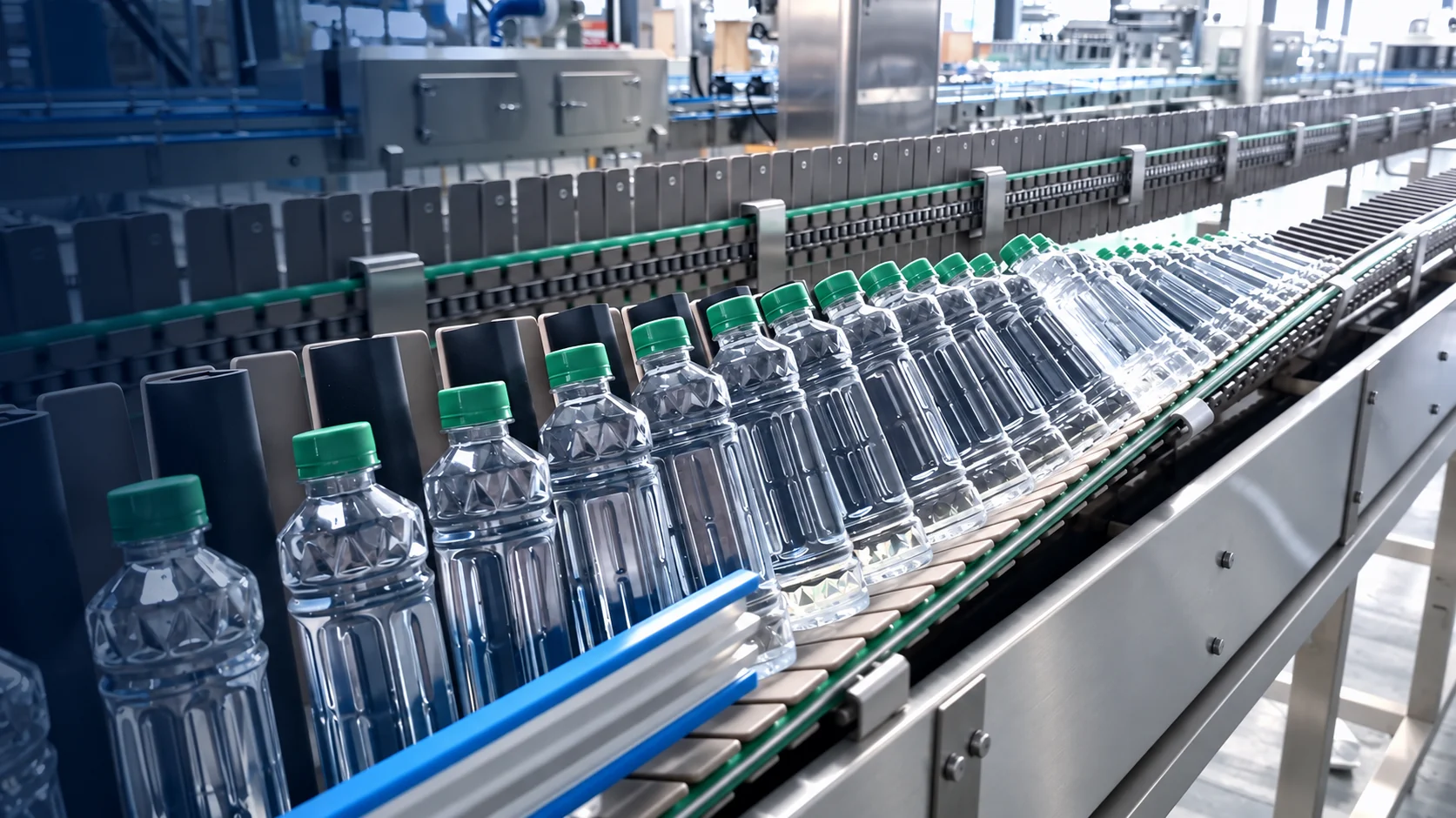
Juice solution / Hot-fill PET
Connect recipe preparation, thermal treatment, heat-resistant PET bottle supply, hygienic hot filling, cooling and final packaging as one validated route.
Request a line proposalLine overview
Configure juice, tea and approved functional beverages in heat-resistant PET bottles. The line is balanced around recipe, thermal process, filling temperature, bottle performance and required saleable output.
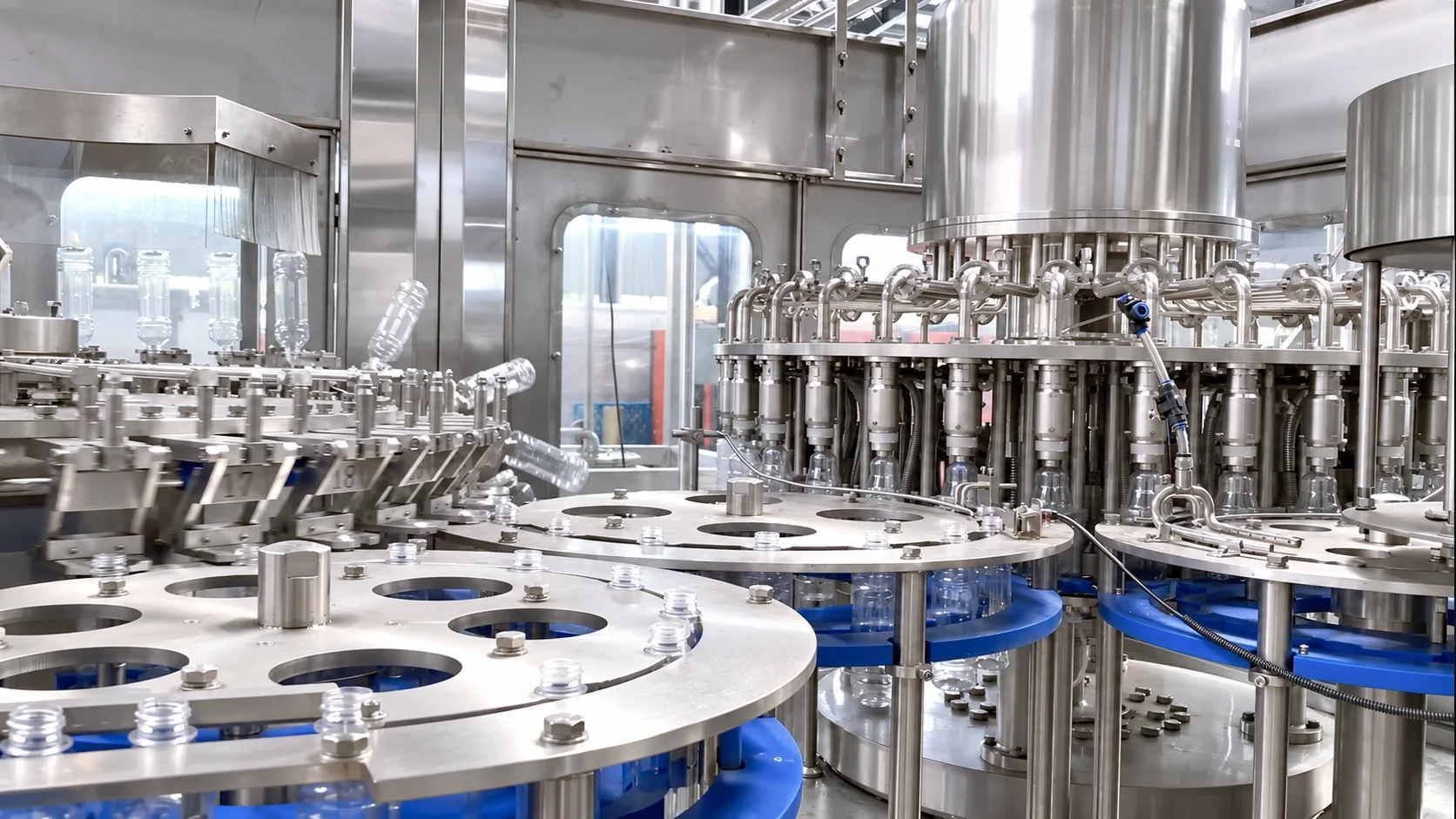
Machine overview
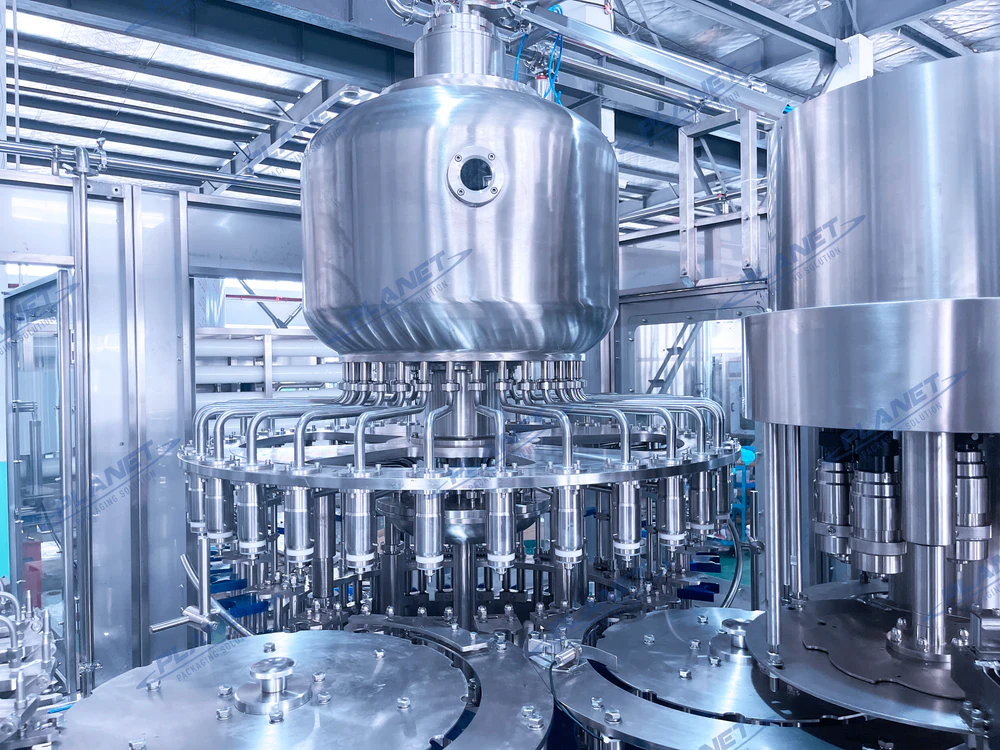
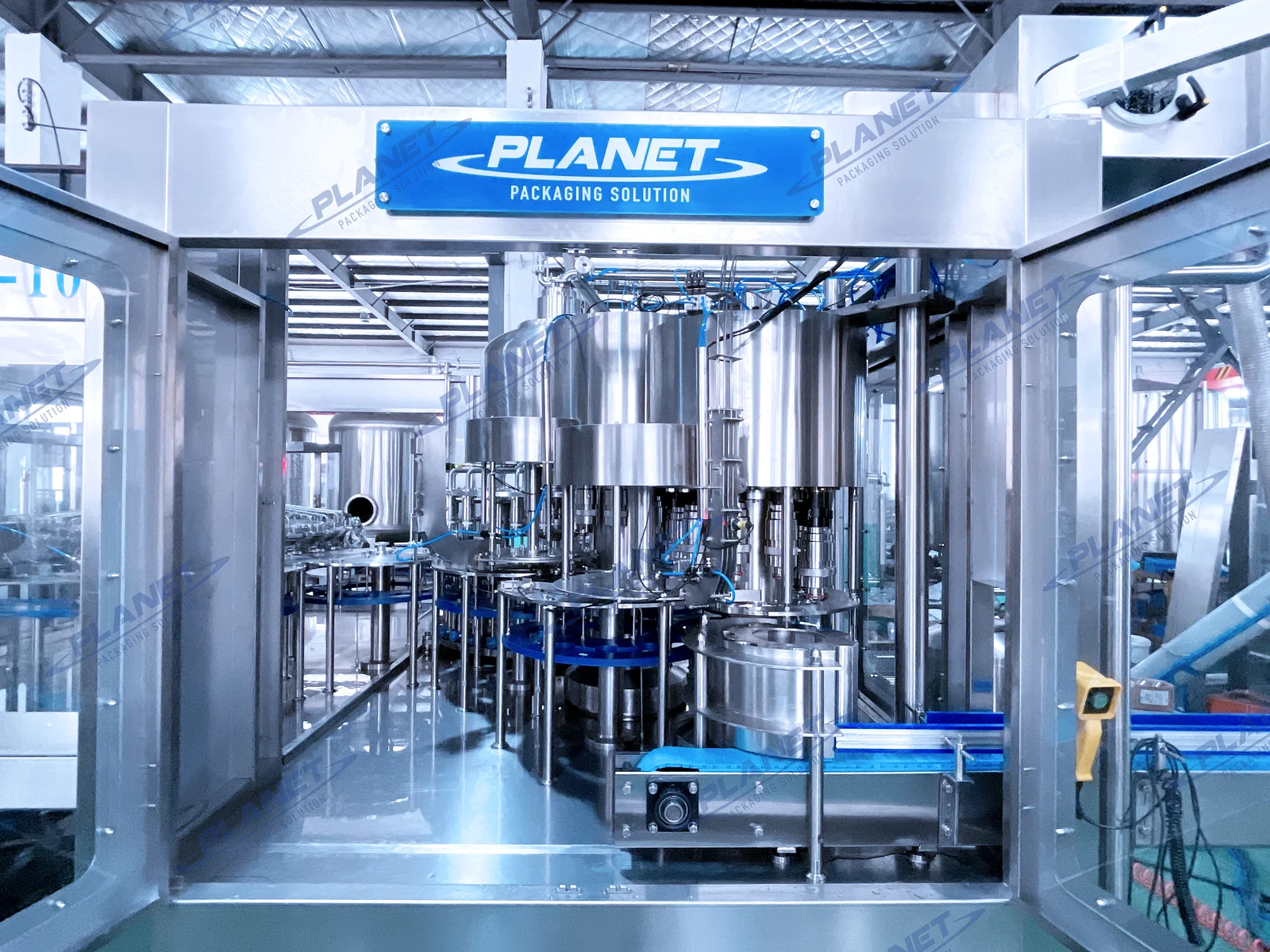
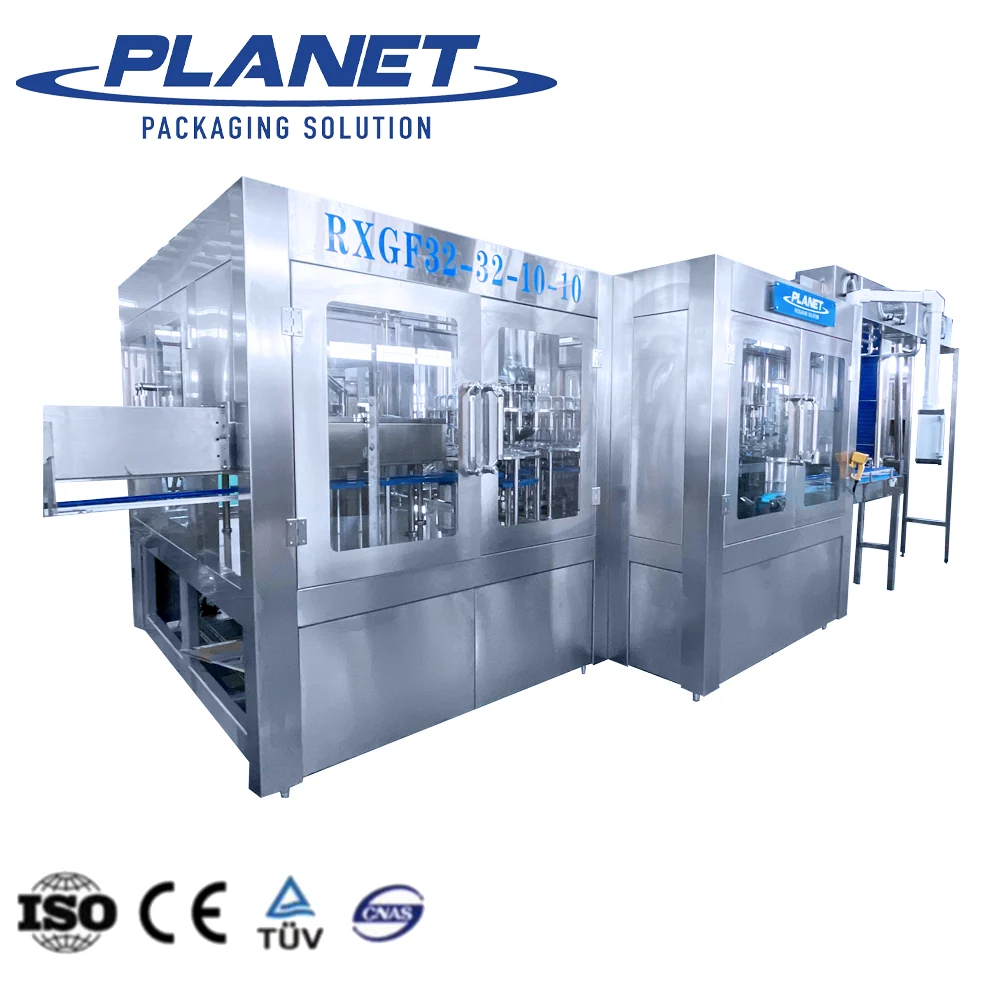
Review the supplied RCGF equipment from bottle rinsing through hot filling and closure.
Supplied project photographyRepresentative machine view. Final configuration depends on the recipe and bottle.Key features
Each point connects the validated beverage process to bottle performance, hygiene and finished-pack quality.
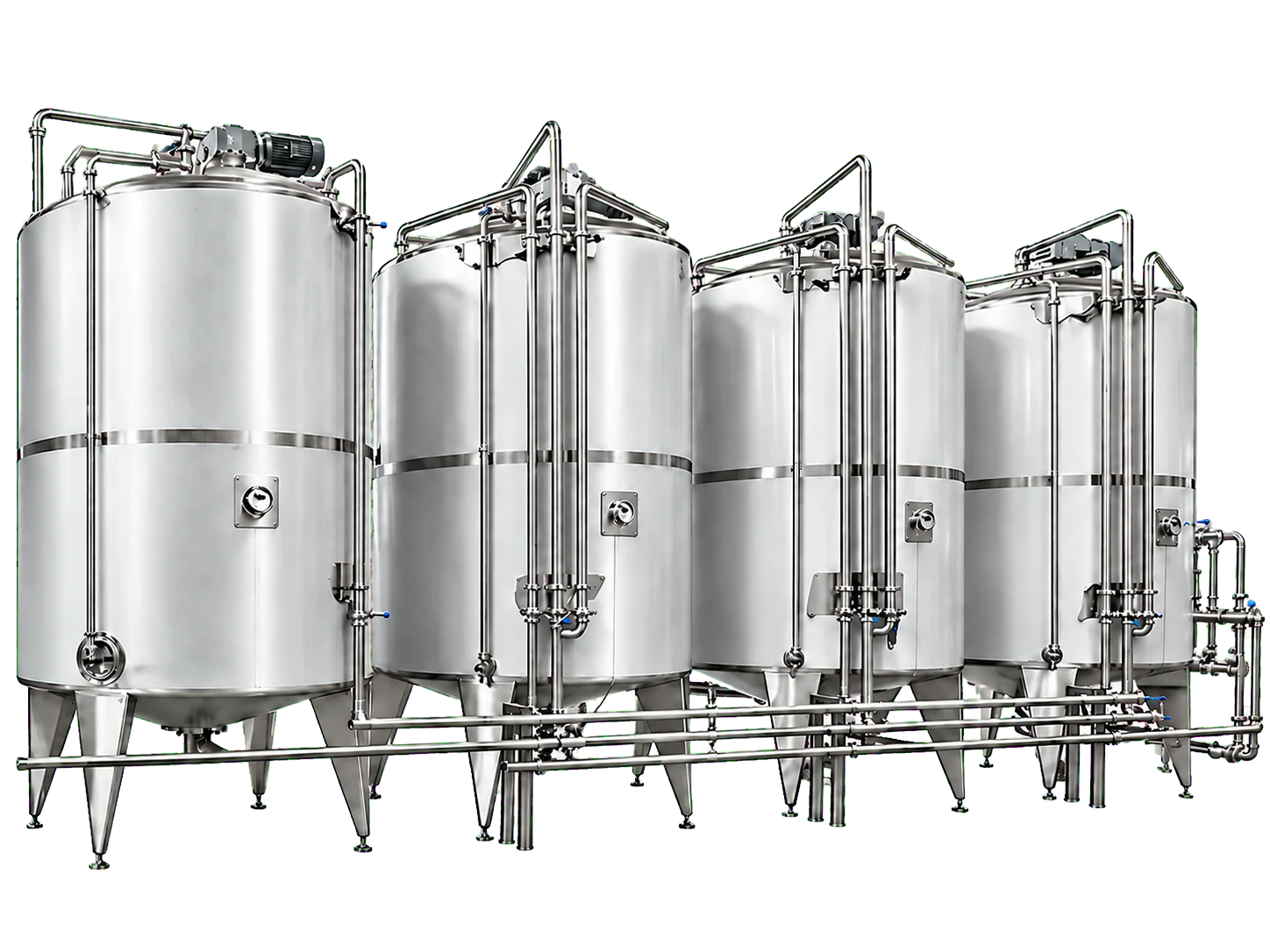
Mixing, filtration and ingredient handling are configured around Brix, acidity, pulp content and the approved product recipe.
Heating, hold time and transfer temperature are coordinated with the validated hot-fill process to protect product quality and shelf life.
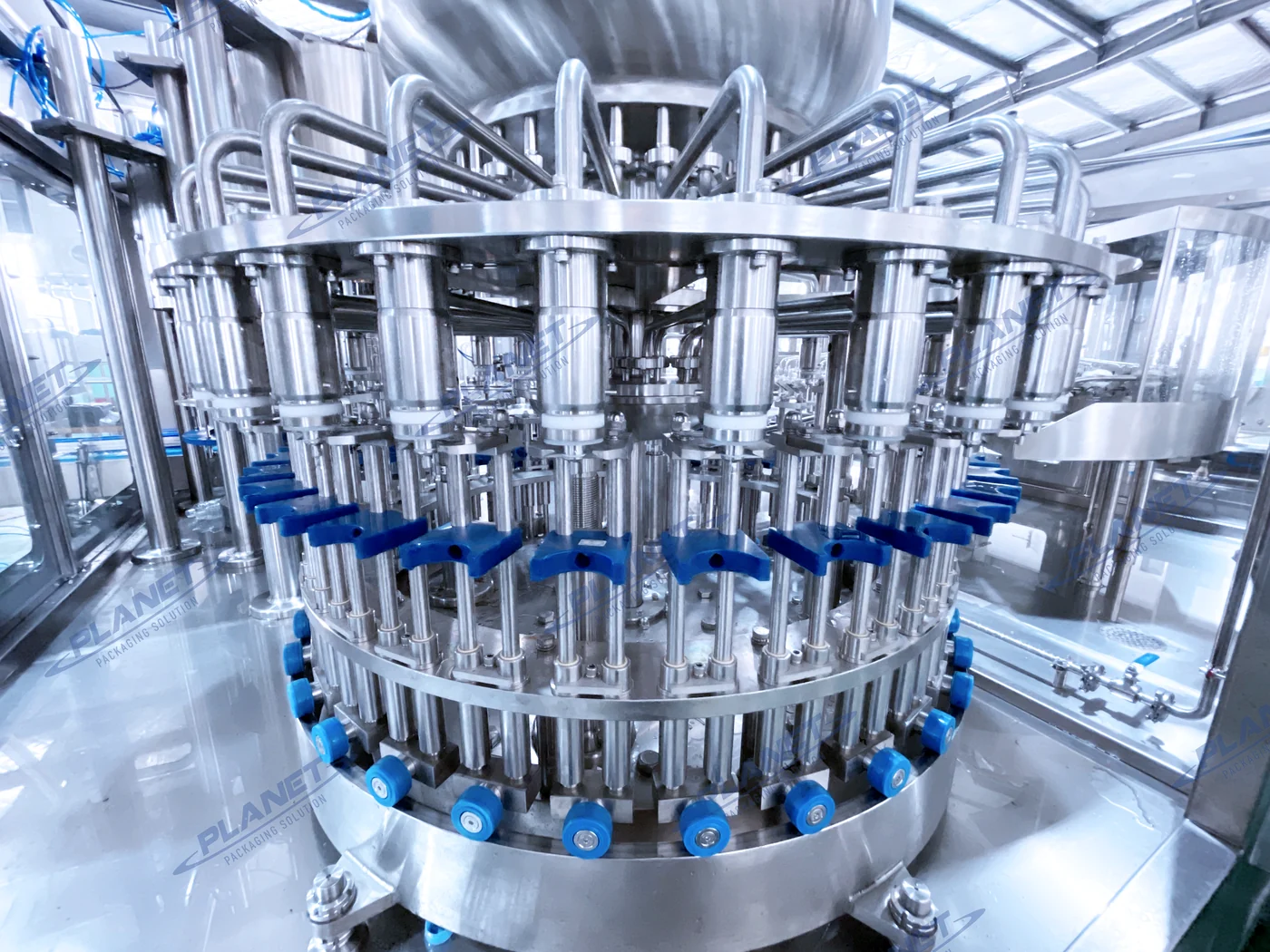
The RCGF monoblock connects bottle rinsing, controlled hot filling and capping. Product-contact parts can be specified in SUS304 or SUS316 with CIP interfaces.
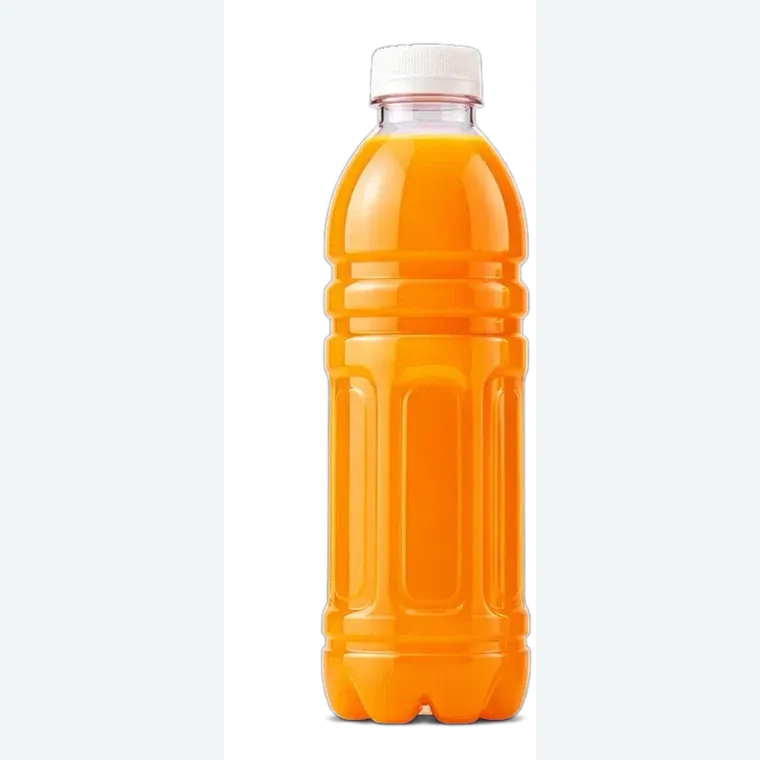
Bottle design, resin distribution, neck finish and closure are reviewed against the confirmed filling temperature before final equipment selection.
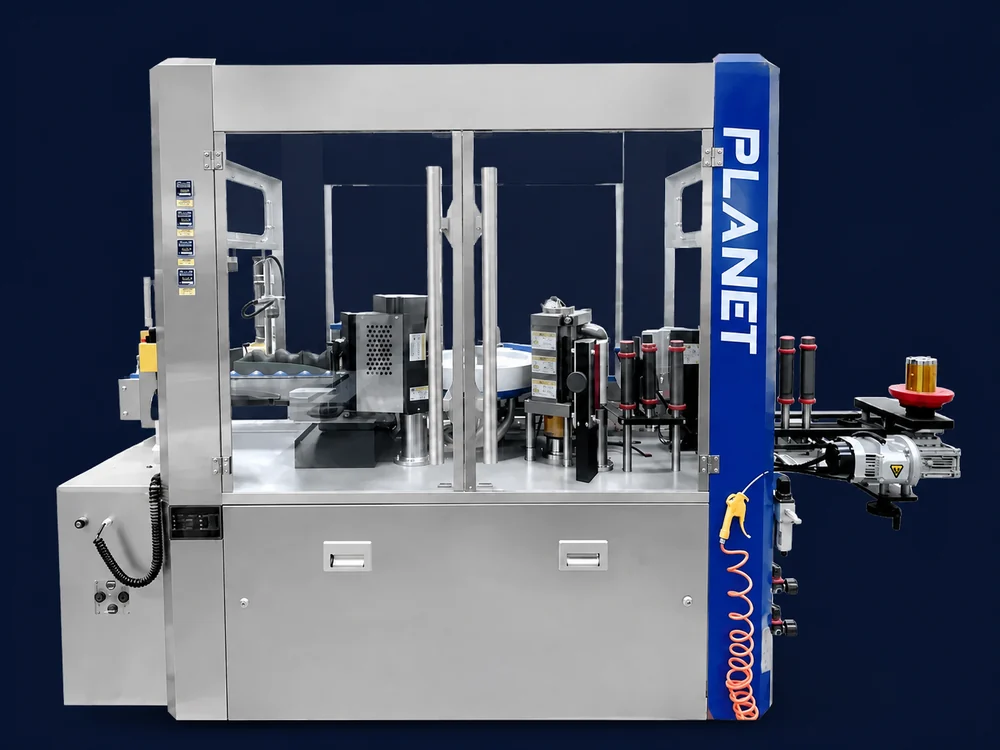
Hot-melt OPP, adhesive and shrink-sleeve labeling options are selected from the bottle surface, label stock and artwork.
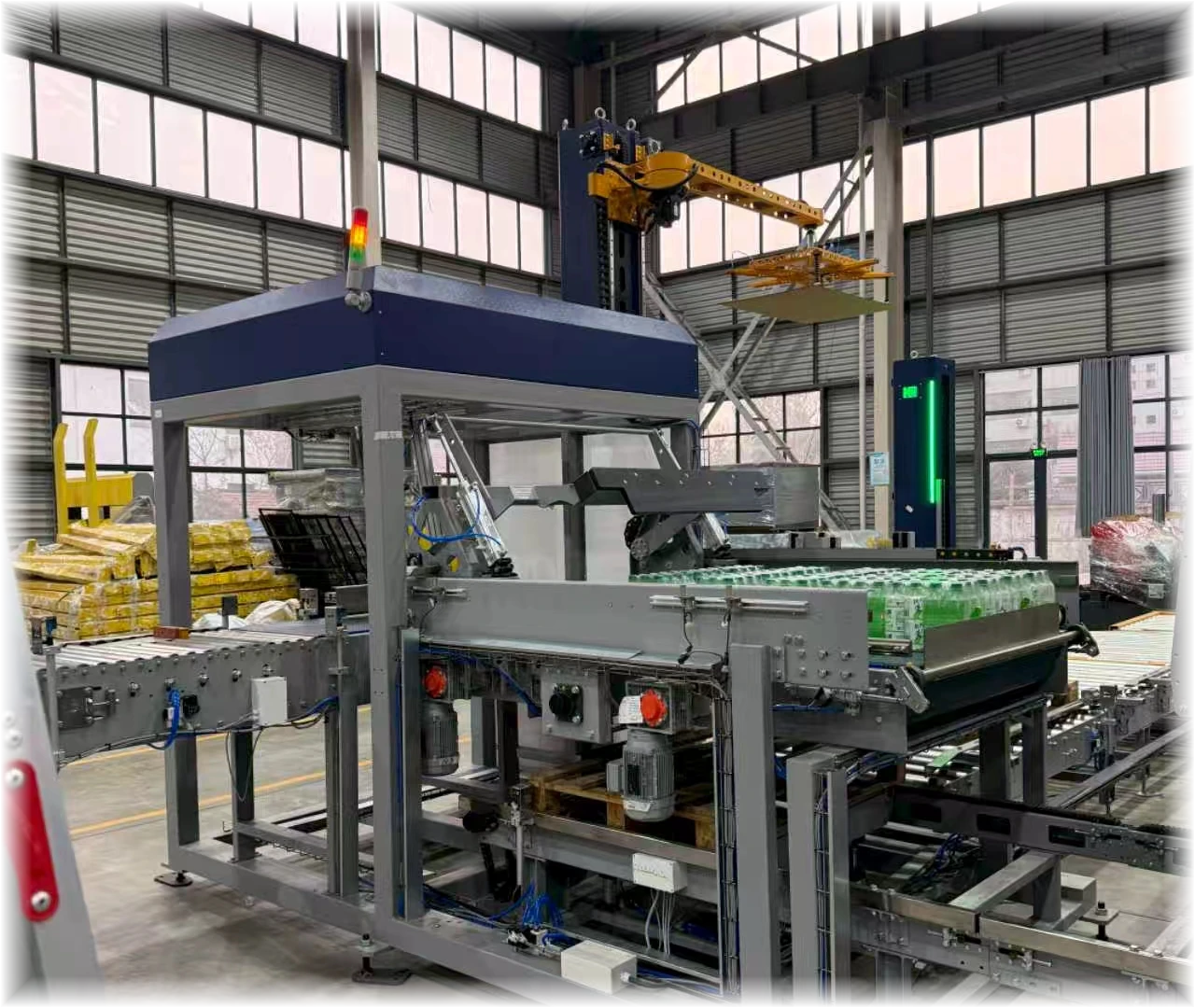
Shrink wrapping, carton packing and palletizing are balanced with filler output and the agreed retail or distribution format.
Model selection
Manufacturer-published RCGF specifications for PET hot filling. Confirm the recipe, bottle volume, pulp content and filling temperature before selecting a model. Whole-line utilities and footprint are reviewed separately.
| Model | Heads R / F / C | Capacity (BPH) | Filler power (kW) | Machine L × W × H (mm) | Weight (kg) |
|---|---|---|---|---|---|
| RCGF14-12-5 | 14 / 12 / 5 | 2,000–3,000 | 3 | 2360 × 1770 × 2350 | 2,500 |
| RCGF18-18-6 | 18 / 18 / 6 | 4,000–5,000 | 3.5 | 2930 × 2150 × 2450 | 4,800 |
| RCGF24-24-8 | 24 / 24 / 8 | 6,000–8,000 | 5 | 3300 × 2250 × 2450 | 5,900 |
| RCGF32-32-8 | 32 / 32 / 8 | 9,000–12,000 | 5 | 3430 × 2650 × 2450 | 6,900 |
| RCGF40-40-10 | 40 / 40 / 10 | 12,000–15,000 | 9 | 4430 × 3280 × 2450 | 10,000 |
| RCGF50-50-12 | 50 / 50 / 15 | 16,000–18,000 | 9 | 5900 × 3300 × 2450 | 15,500 |
| RCGF60-60-15 | 60 / 60 / 15 | 19,000–21,000 | 13 | 6000 × 5220 × 2550 | 18,500 |
| RCGF72-72-18 | 72 / 72 / 18 | 26,000–28,000 | 18 | 6450 × 4900 × 2550 | 25,500 |
View manufacturer specifications
Confirm these boundary conditions before final model selection.
Filler figures are not complete-line consumption or a guaranteed sustained output. Send Recipe / Bottle / Output for a project-specific layout, utility list and operator estimate.
Process
Explore the equipment, process purpose and handoff at each stage, from treated water to finished pallets.
Bottle supply runs in parallel with beverage preparation and meets the thermally treated product at filling. Equipment images illustrate each stage; final configuration follows the validated recipe, bottle and packaging requirements.
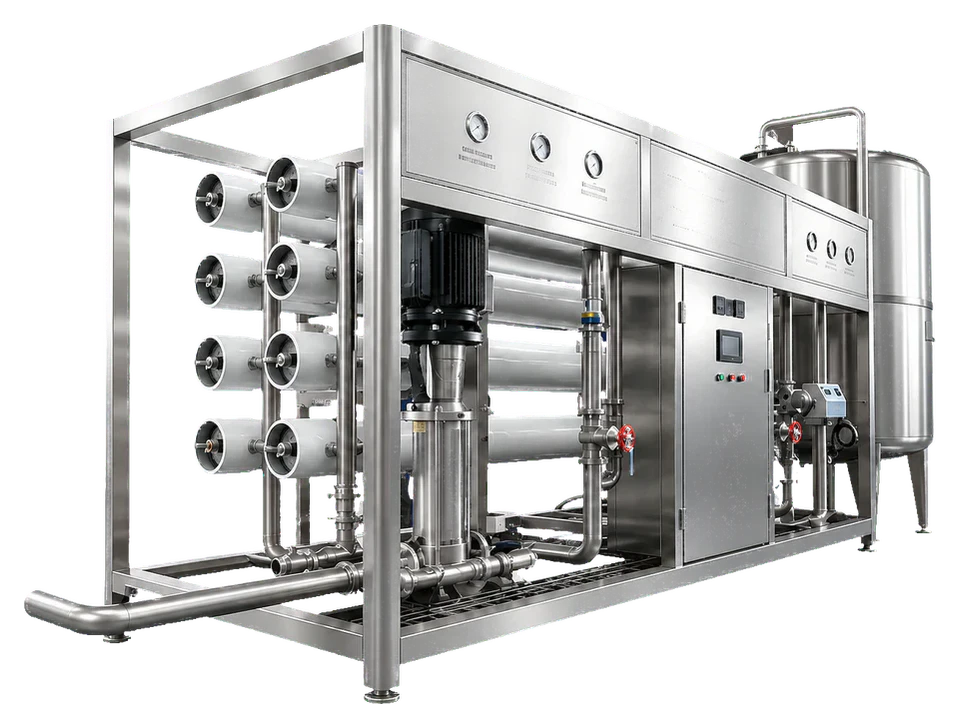
Prepare consistent process water from the source-water analysis. Filtration and membrane treatment are selected around the approved beverage recipe and plant utilities.
Dissolve, filter and blend the recipe under controlled time and temperature. Pulp, tea extract, dairy ingredients and functional additions change the required mixing and filtration route.
Heat the prepared beverage to the validated process condition, hold it for the required time and transfer it to the filler while controlling temperature and product quality.
Thermal treatment equipment · process values require recipe validation
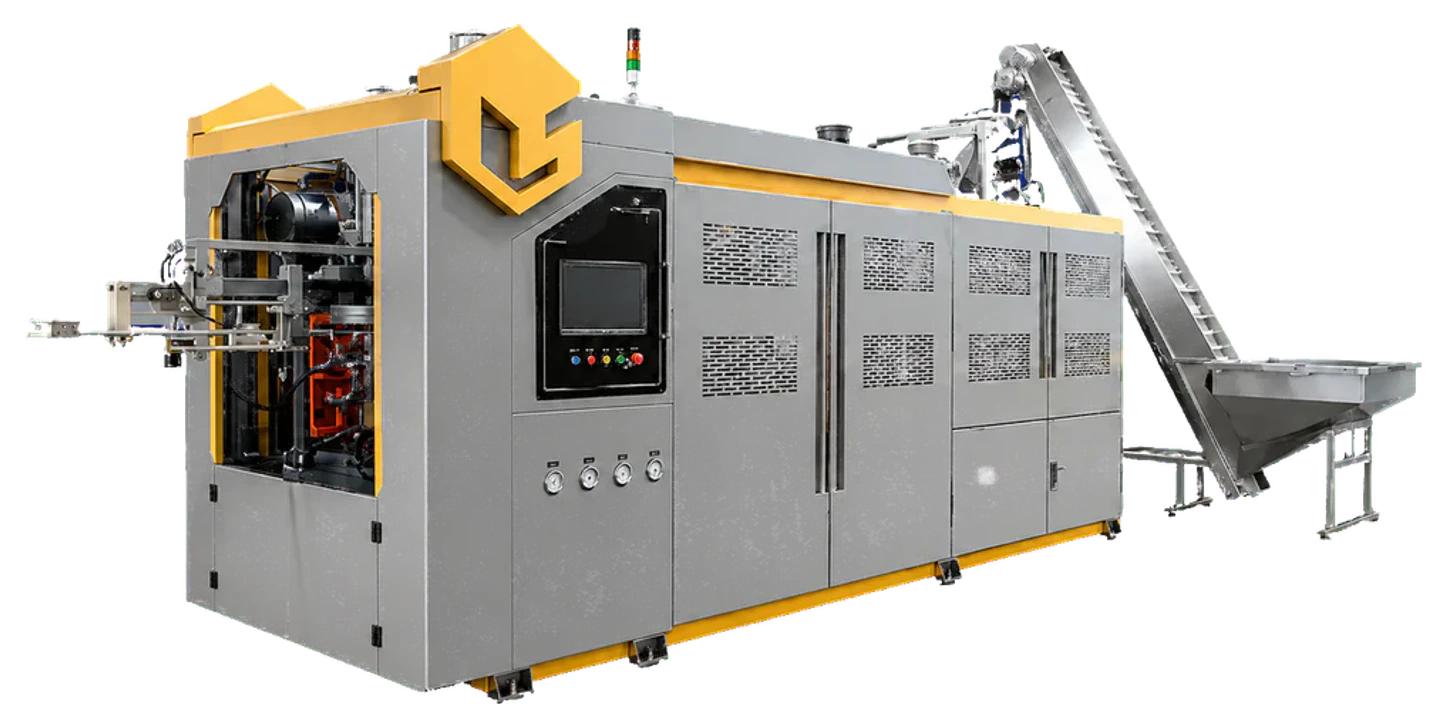
Supply approved heat-resistant PET bottles from an integrated blower or ready-made bottle infeed. Bottle design, neck finish and thermal performance are reviewed together.
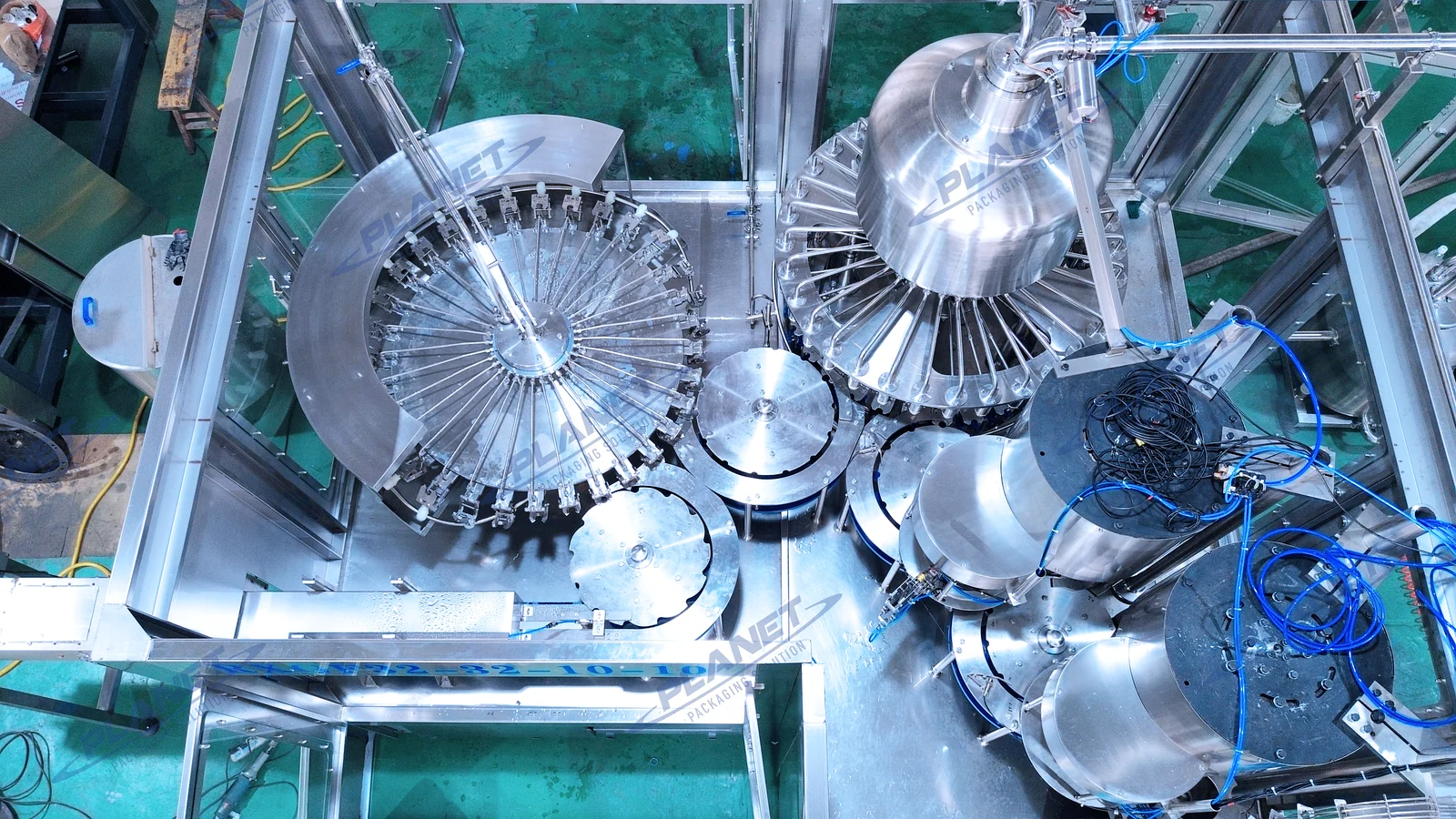
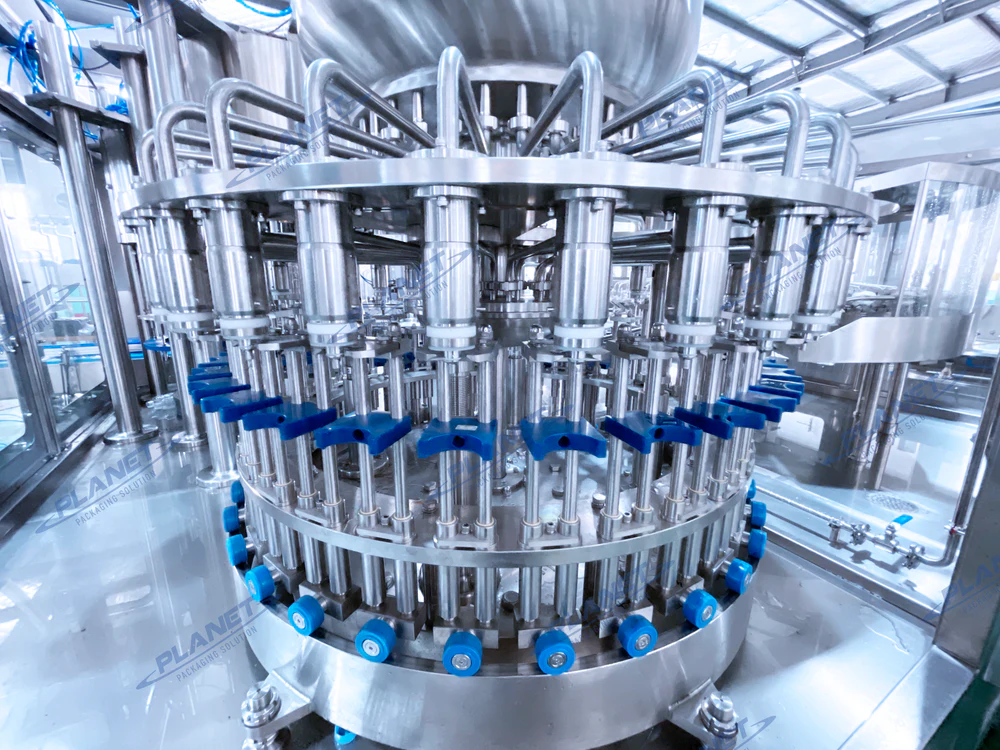
Rinse the bottles, fill the thermally treated beverage and apply the matched closure in one controlled route. Product-contact construction and CIP interfaces support repeatable hygiene and changeover.
Hot-fill valve carousel from the supplied machine photography
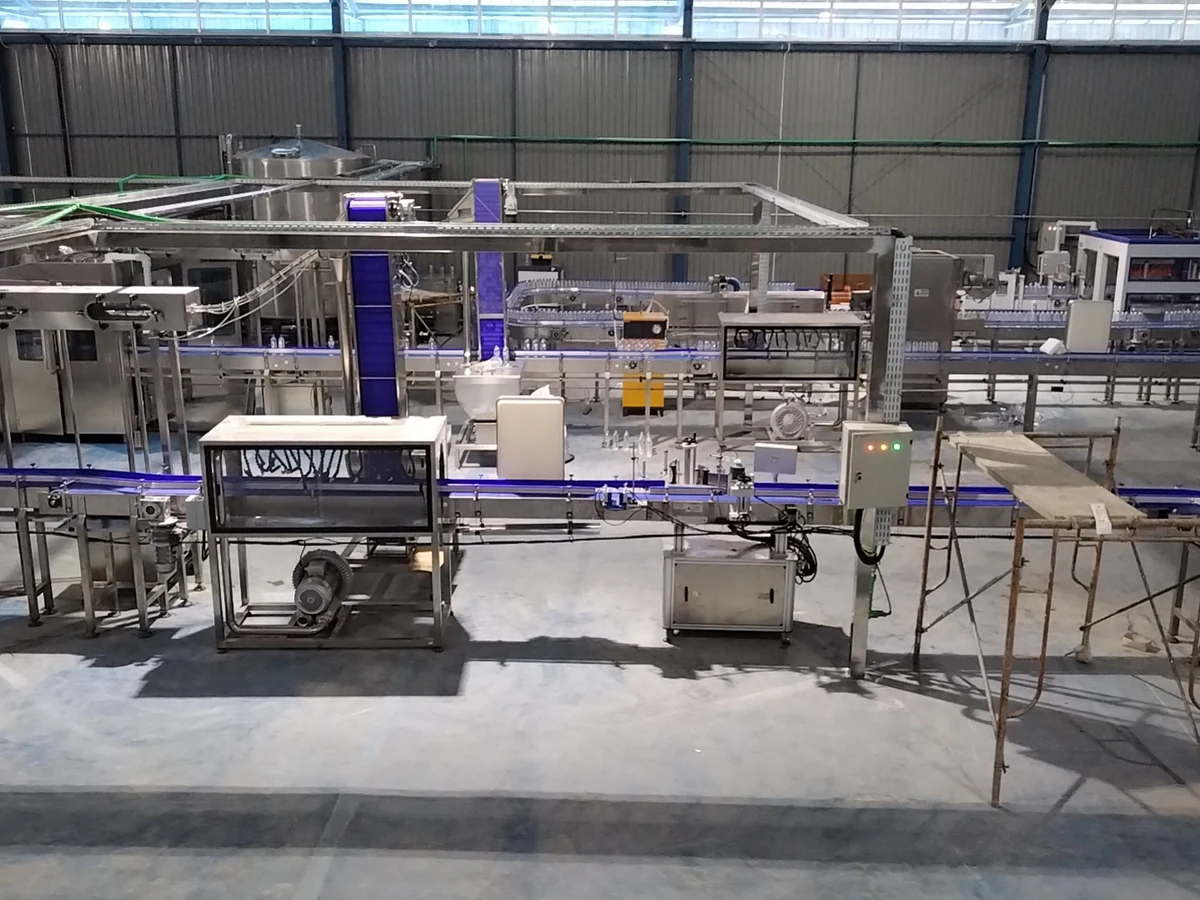
Hold and cool the closed bottle according to the validated package process. Cooling conditions protect bottle shape and prepare the package for stable labeling and downstream handling.
Cooling and transfer arrangement is selected from the package and process validation
Inspect the closed and cooled bottle, apply the selected label and print the required production code. Label stock and bottle surface condition determine the labeling method.
Group finished bottles into the agreed retail or transport pack, then build stable pallet loads for storage and dispatch.
Customer proof
Begin with a delivered ginger-juice application, then review how product, bottle and integration decisions adapt across other markets.
Nitrogen dosing selected to support the required fresh-ginger-juice shelf life.
 Delivered project
Delivered with water treatment and support for additional pack formats.
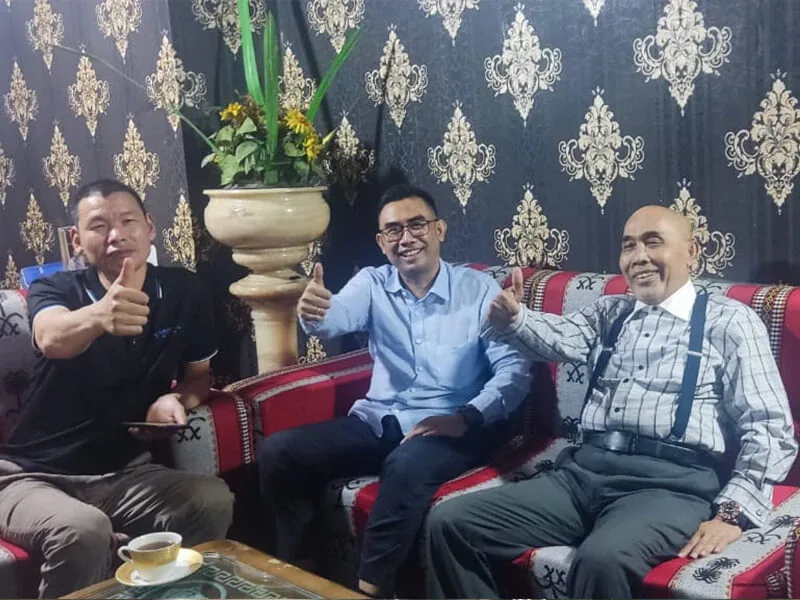 Project discussionCustomer team · Indonesia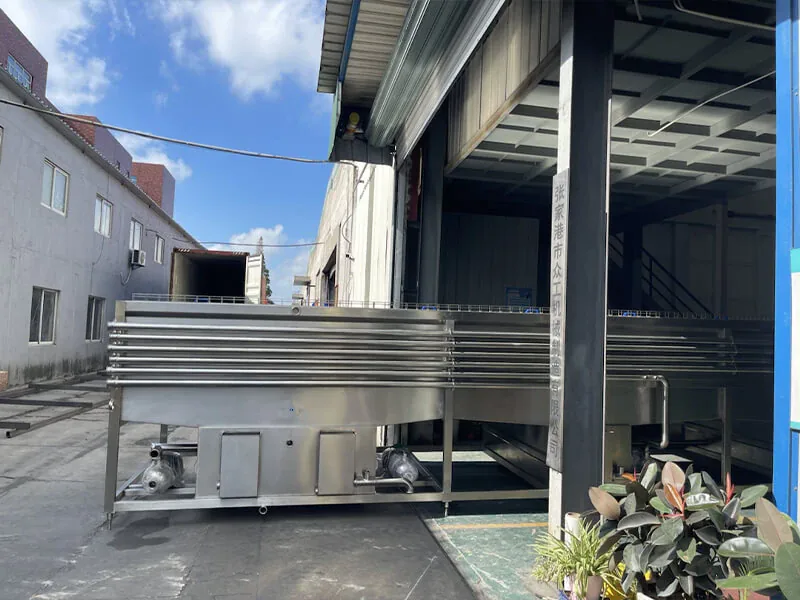
Conveyors and pasteurization connected around an existing can filler.
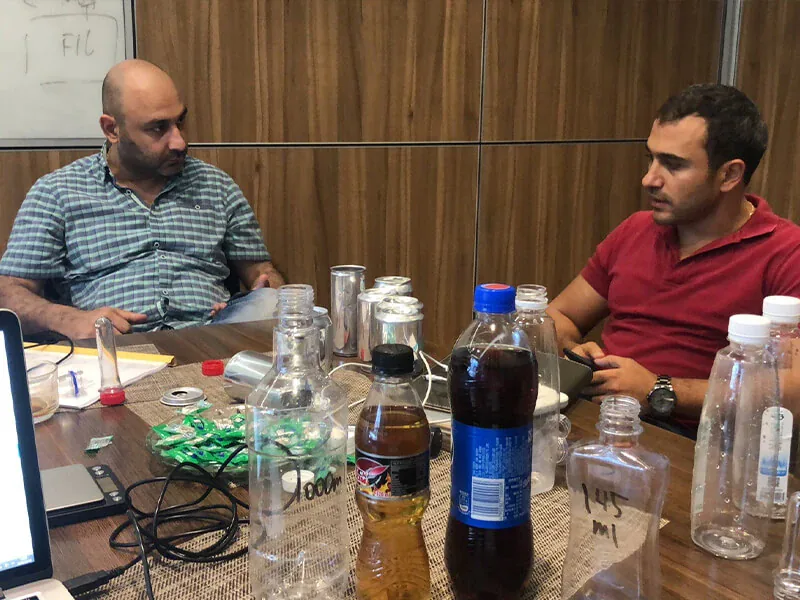
A first carbonated-drink line developed from product and package discussions.
Recipe, package and shelf-life targets set the engineering boundary for a useful line proposal.
See how nitrogen dosing and process decisions were connected to a fresh ginger-juice application.
View project recordThese three inputs define the thermal process, hot-fill package and downstream line scope.
Prepare an inquiryFAQ
Key process and package questions are collected here so the complete production route stays easy to evaluate.
Provide the beverage recipe or product category, pH and pulp content, target shelf life, bottle drawing and volume, expected filling temperature, closure, output and pack format.
Typical applications include juice, tea and approved functional beverages. Dairy-containing or highly oxidation-sensitive products may require a different process and must be reviewed from the recipe.
The published range covers 100–2,000 ml PET bottles. Change parts, guides and operating settings are selected from the actual bottle drawings; square bottles may require additional handling.
It is not selected from a generic machine value. The recipe, pH, microbial target, packaging performance and required shelf life must be validated together.
The manufacturer lists model-dependent nominal ranges from about 2,000 to 28,000 bottles per hour. Sustained line output depends on bottle size, product, changeovers and downstream equipment.
Line inquiry
Send the beverage recipe, pH, pulp content, bottle drawing, filling temperature, output, closure and pack format. These inputs let engineering prepare a suitable hot-fill route.
Our engineering team will follow up on the missing hot-fill line inputs.