
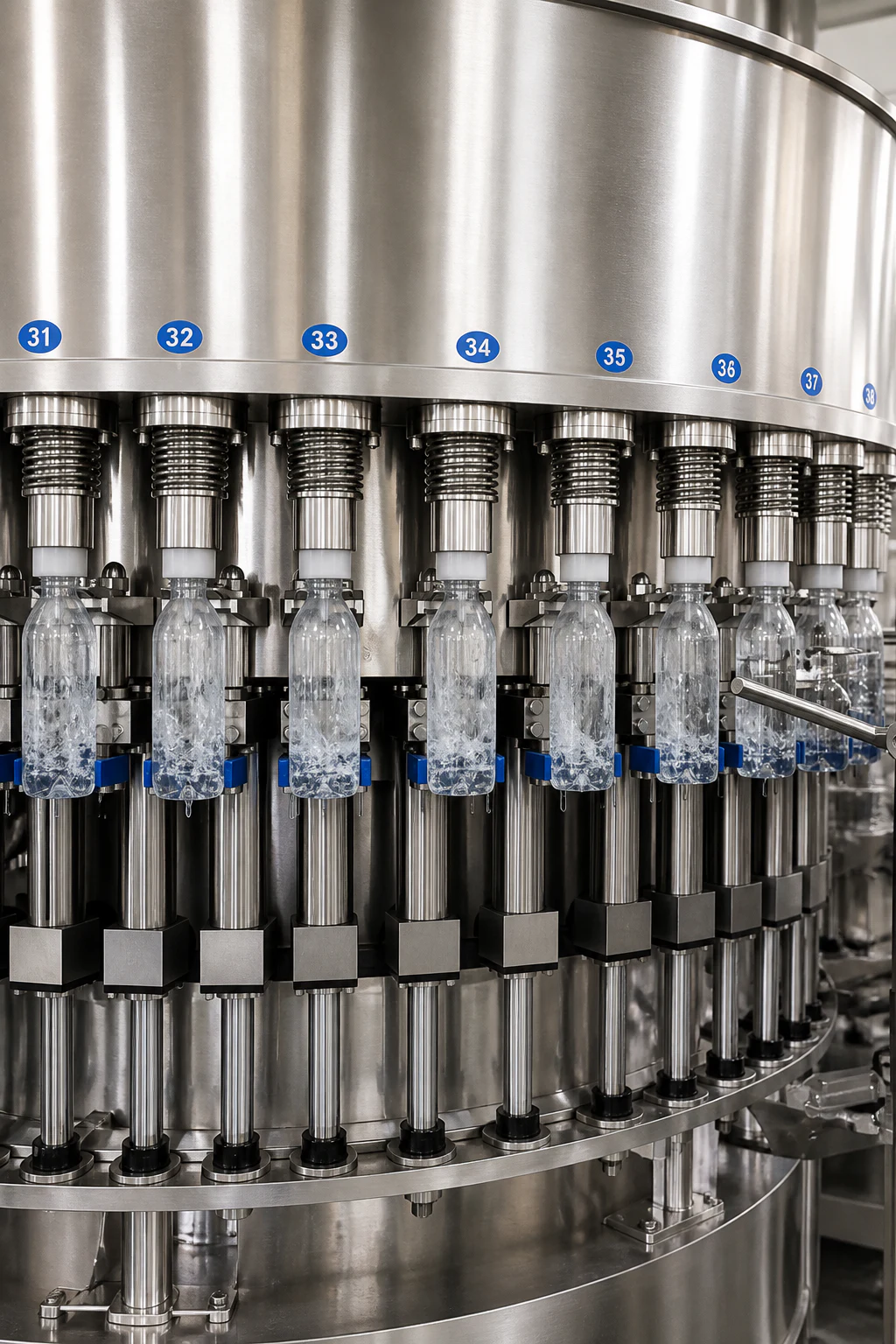
0.25–2.5L PET
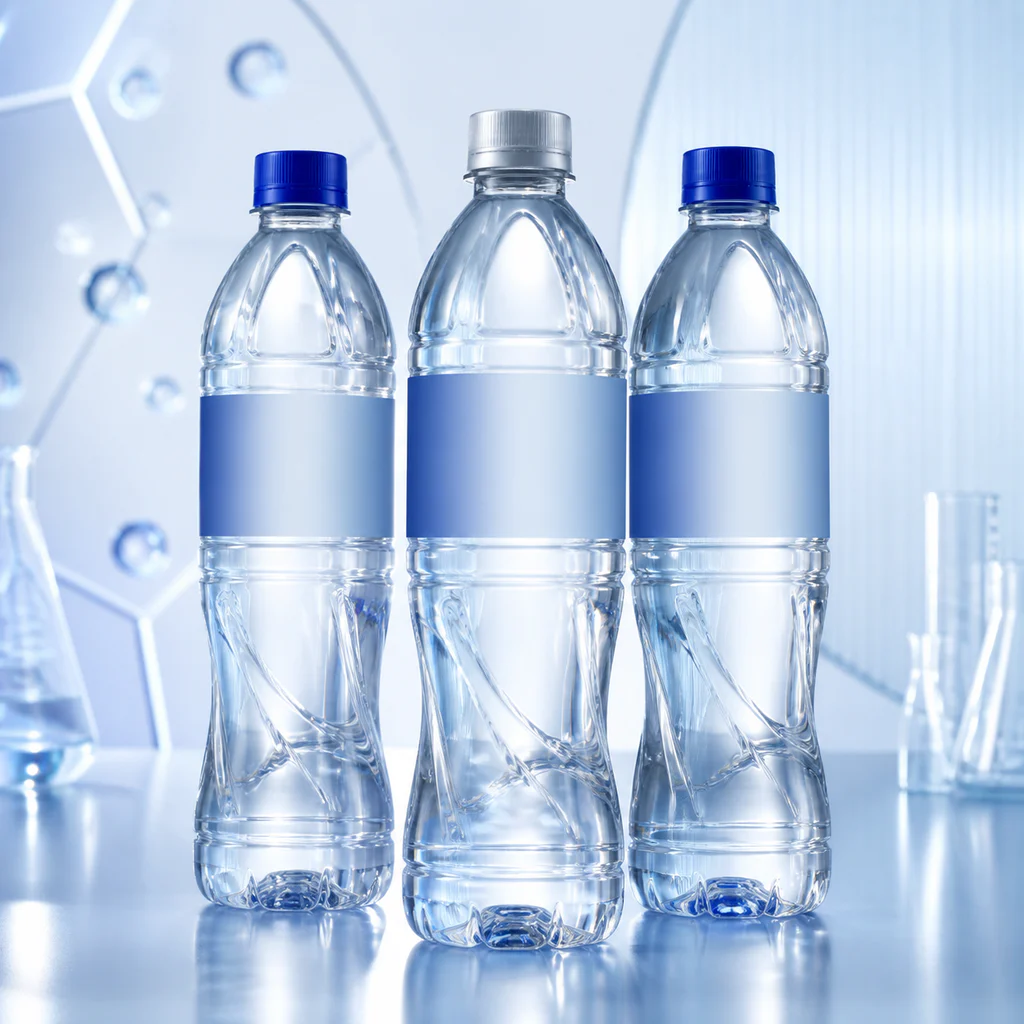
PET bottle water line
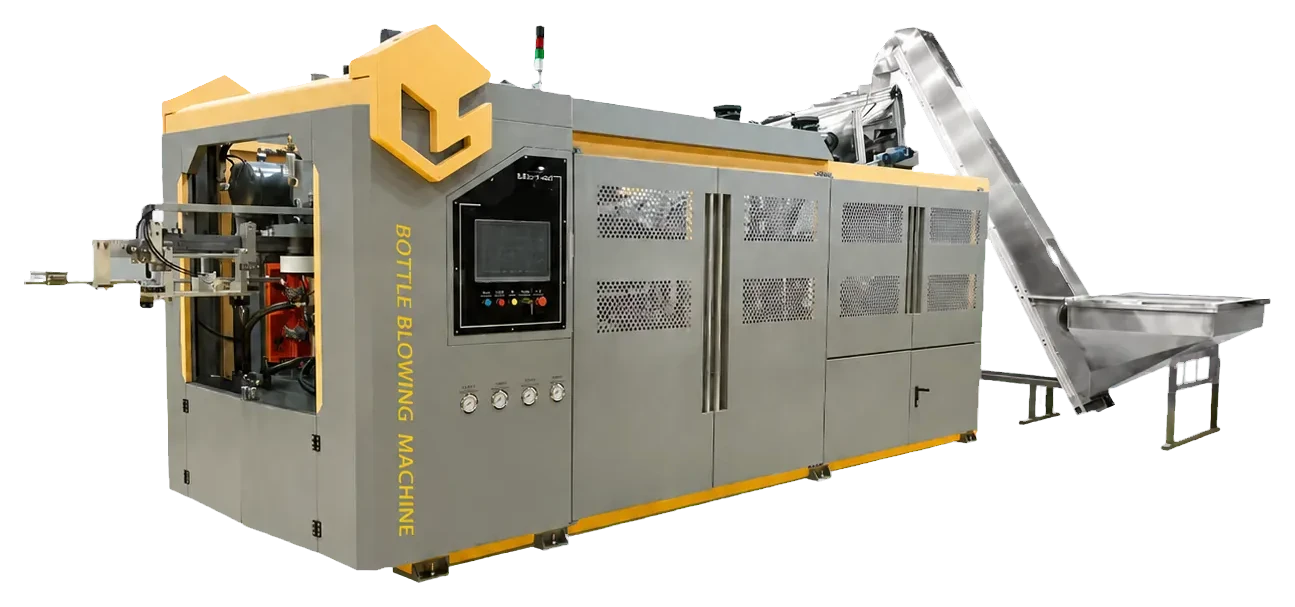
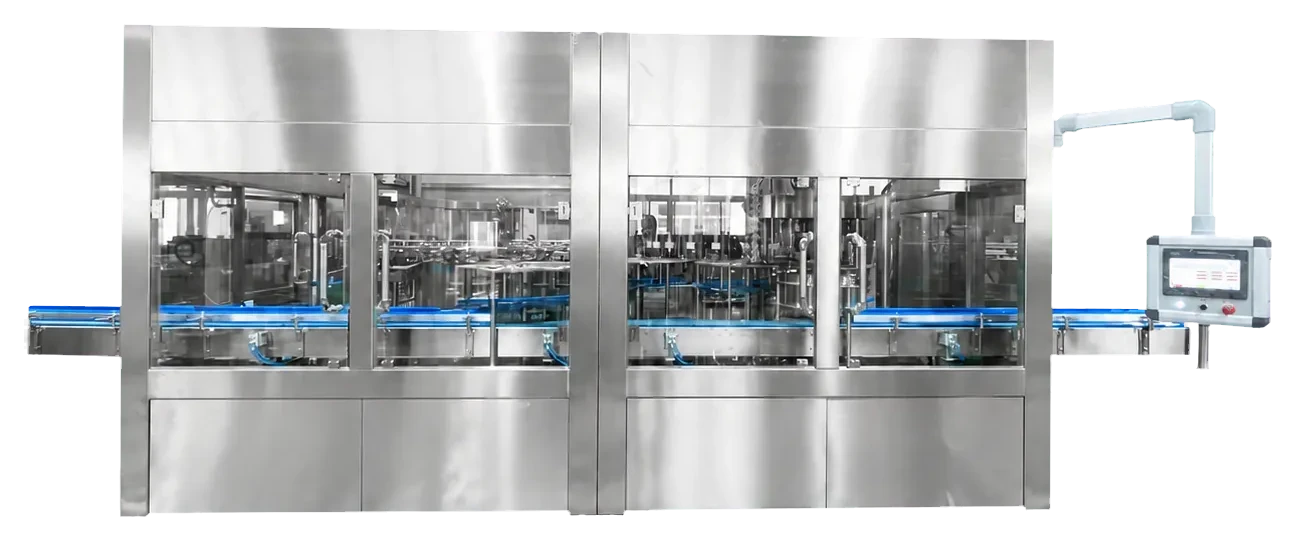
High-speed lines with optional in-house bottle blowing, hygienic filling and flexible secondary packing.Flexible PET filling with optional bottle blowing.
Output2,000–42,000BPH
View water line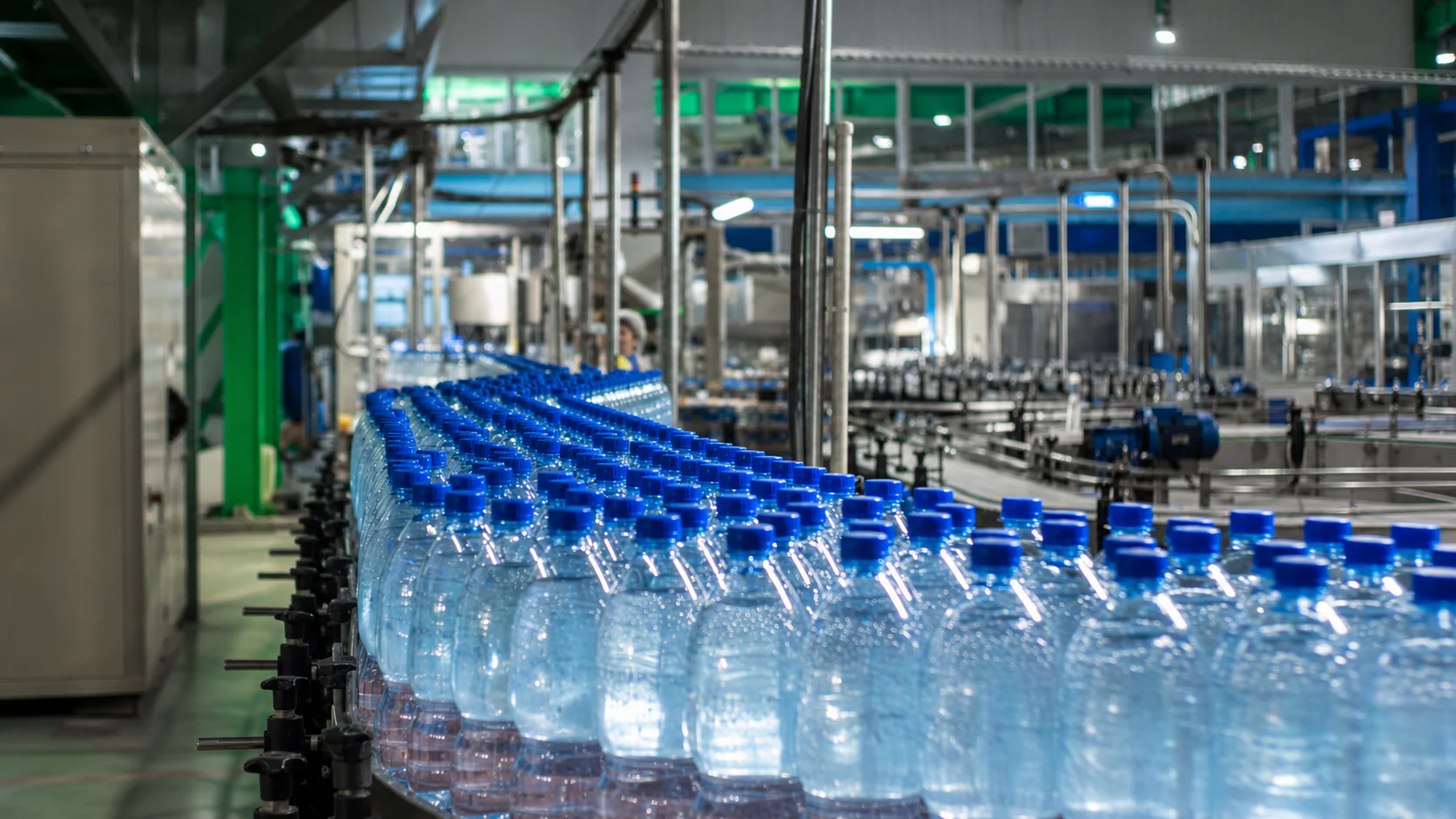
Turnkey water bottling solutions
From source-water treatment and bottle preparation to filling, packing and plant layout, Planet connects the complete production flow around your product and output.
Choose your water line
Container format defines preparation, filling and downstream handling. Select the closest route to your project.
High-speed lines with optional in-house bottle blowing, hygienic filling and flexible secondary packing.Flexible PET filling with optional bottle blowing.
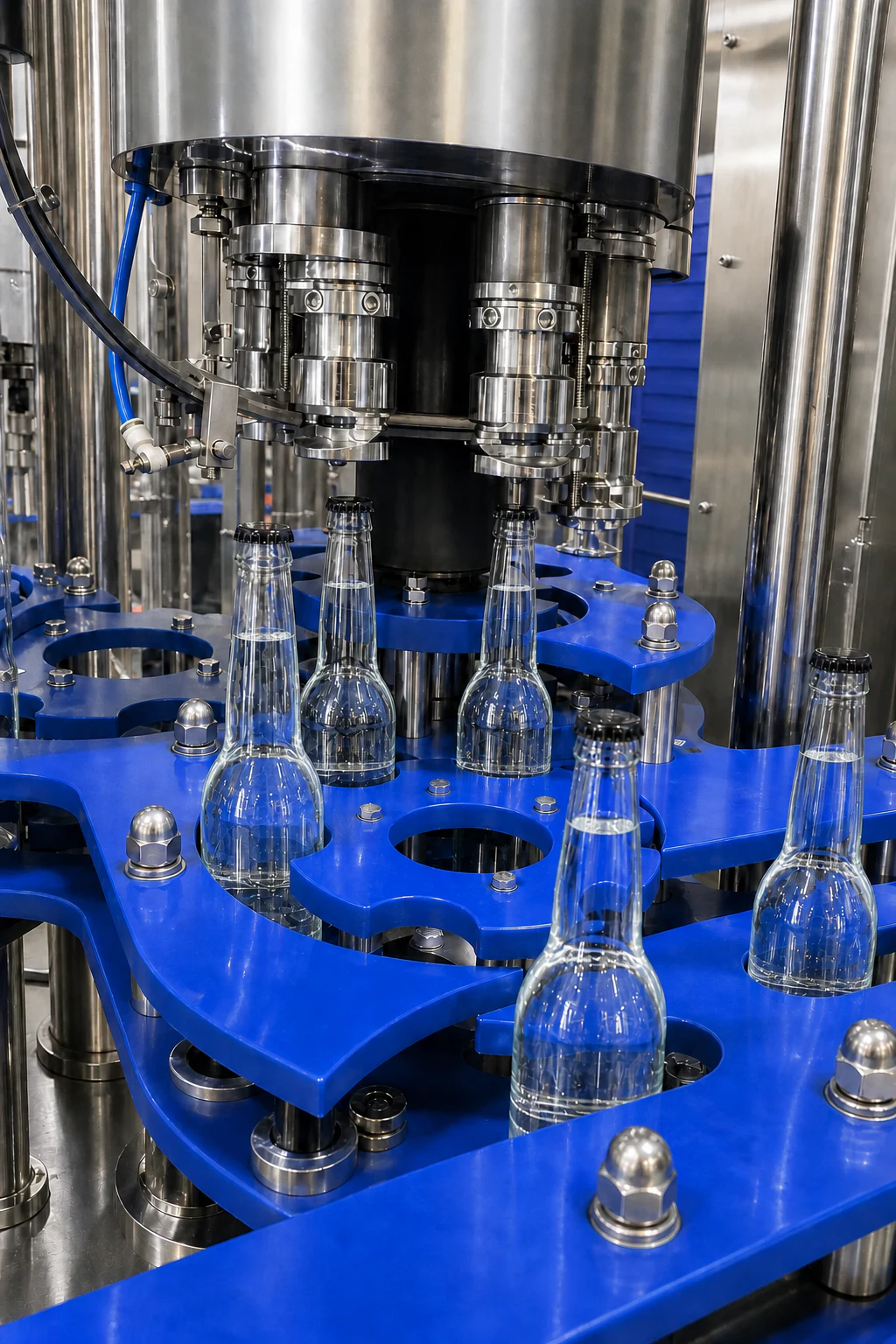
Stable glass handling, bottle preparation and filling for premium mineral and spring water products.Gentle handling for new or returnable glass.
Dedicated decapping, external brushing, multi-stage washing, filling and capping for reusable bottles.Wash, refill and cap reusable bottles.
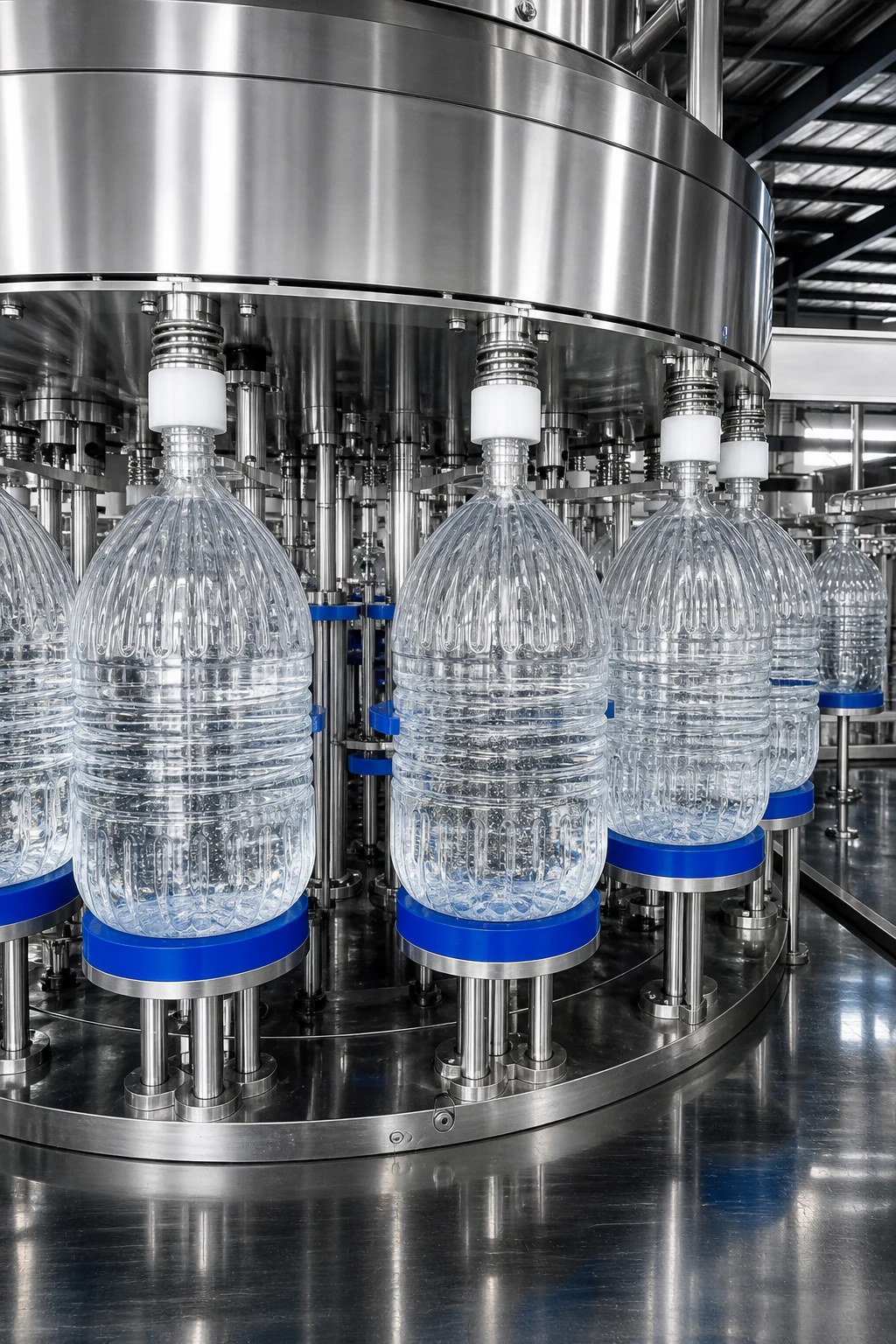
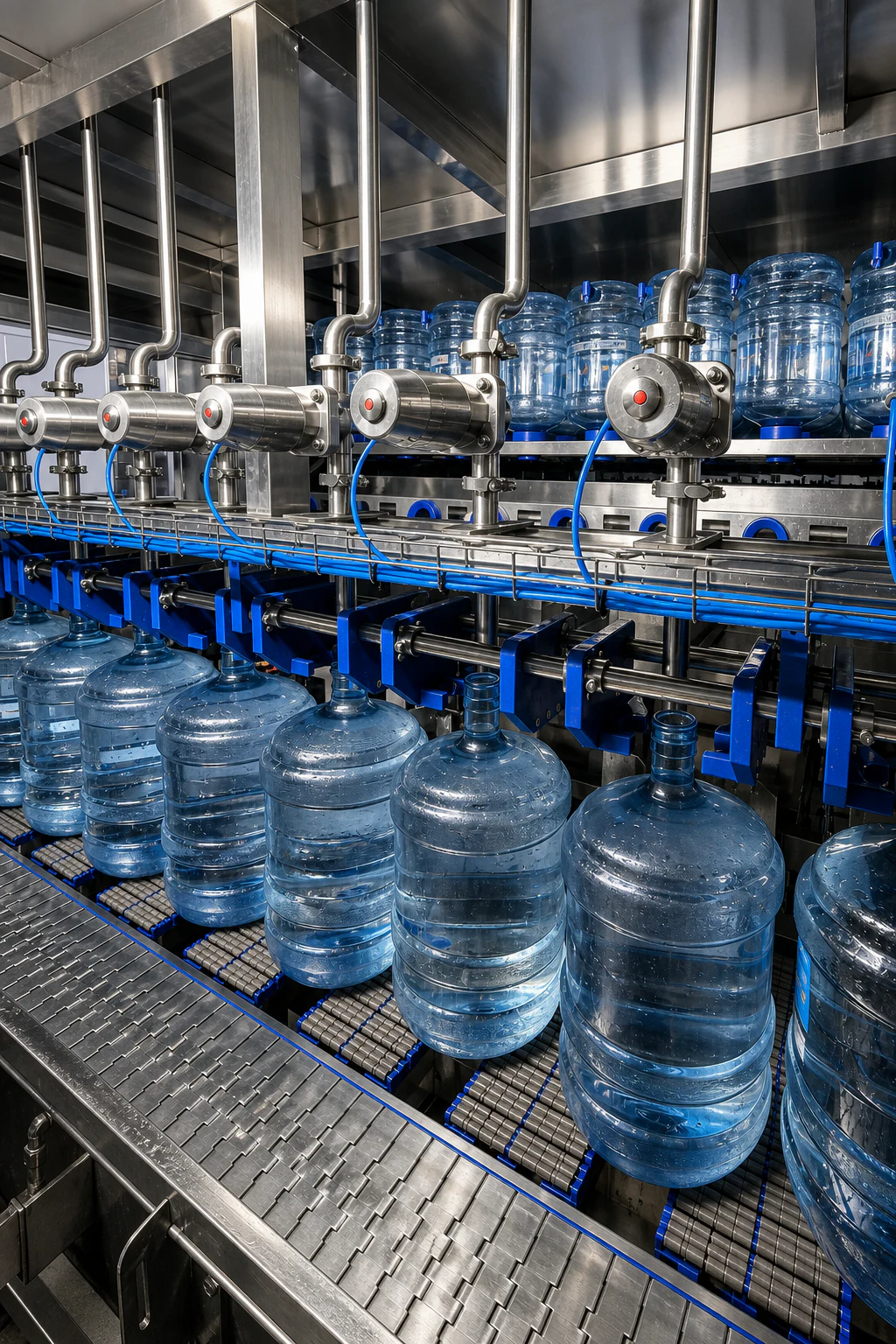
Single-use large-container production with controlled bottle supply, filling, closure and handling.Filling and packing for large single-use PET.
Reference output depends on bottle size, closure, water process and final line configuration.
Complete line scope
Switch between formats to see the stages that change before and after filling.
Small-format PET · 0.25–2.5L
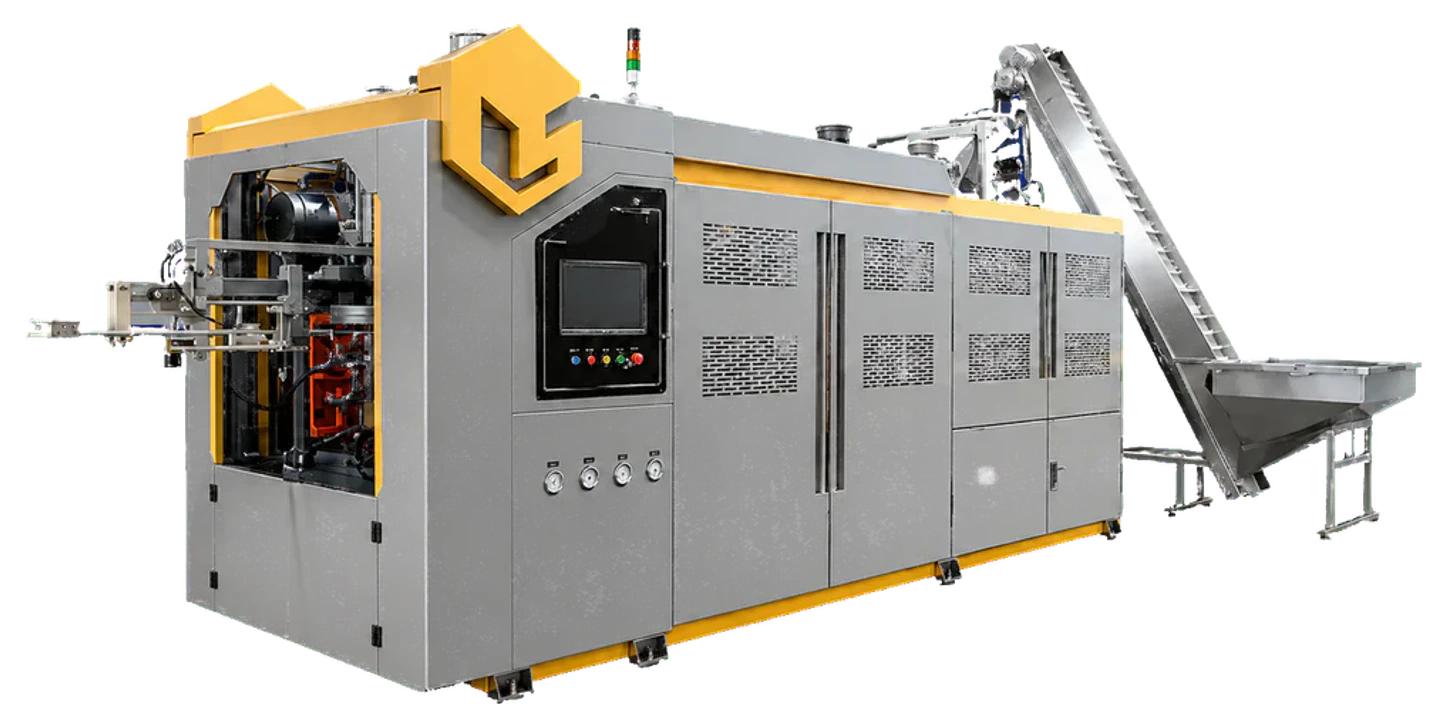
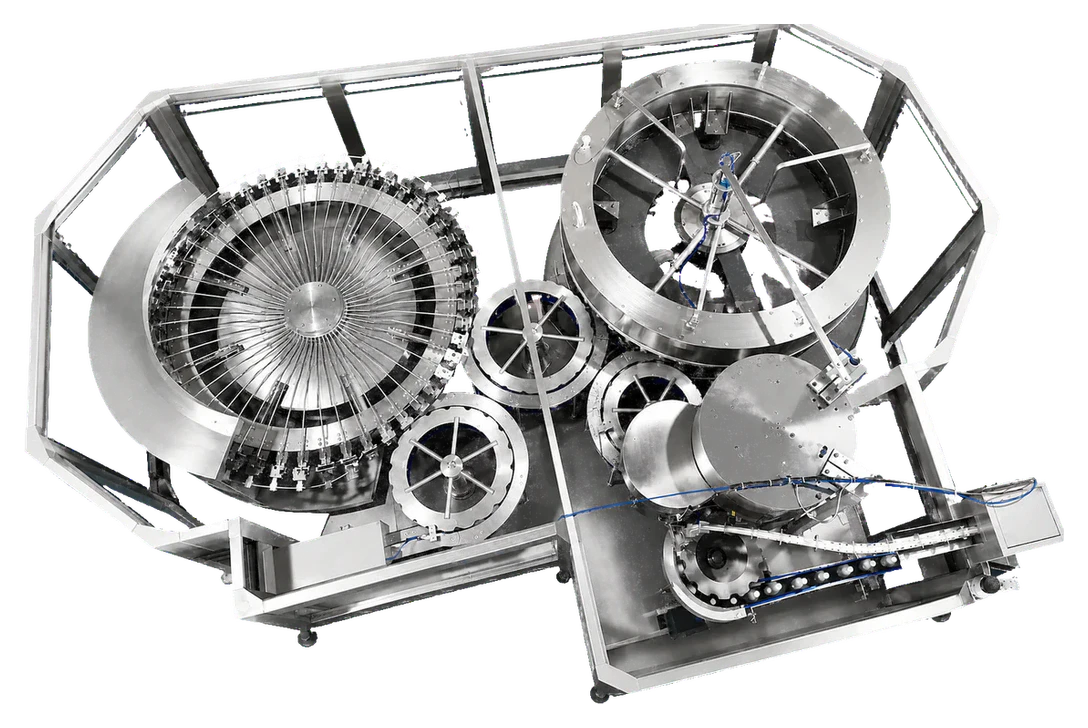
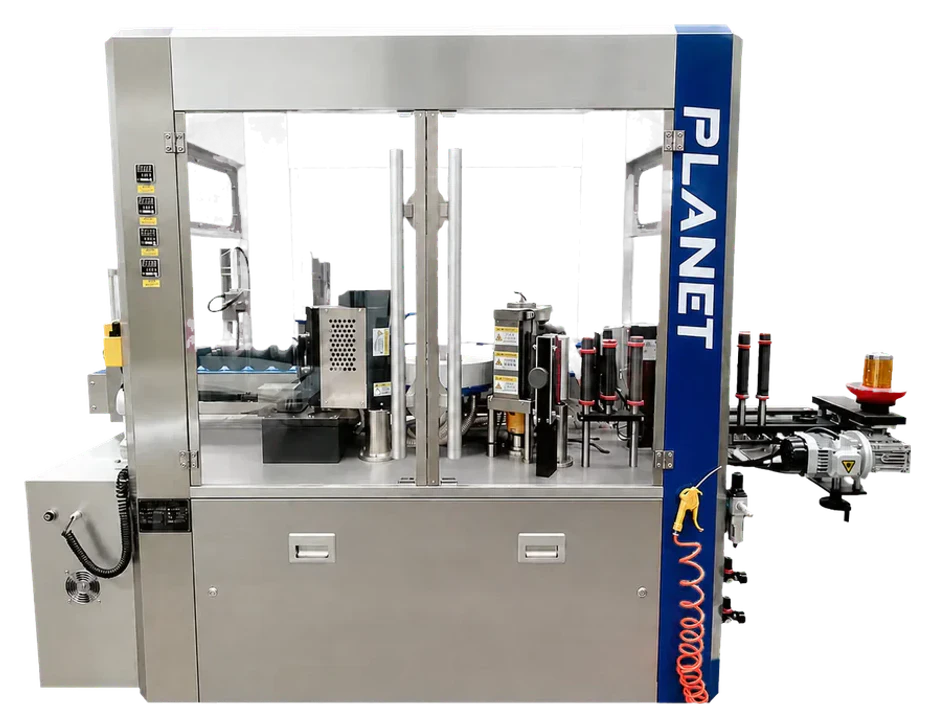
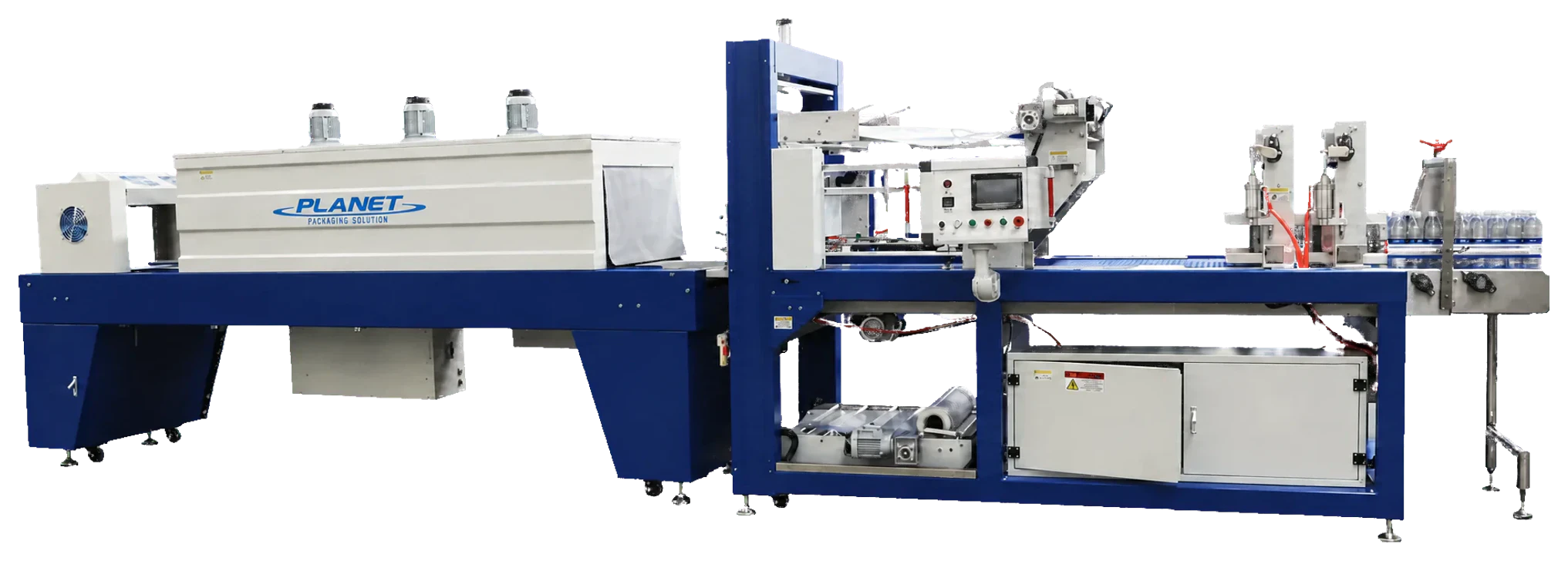
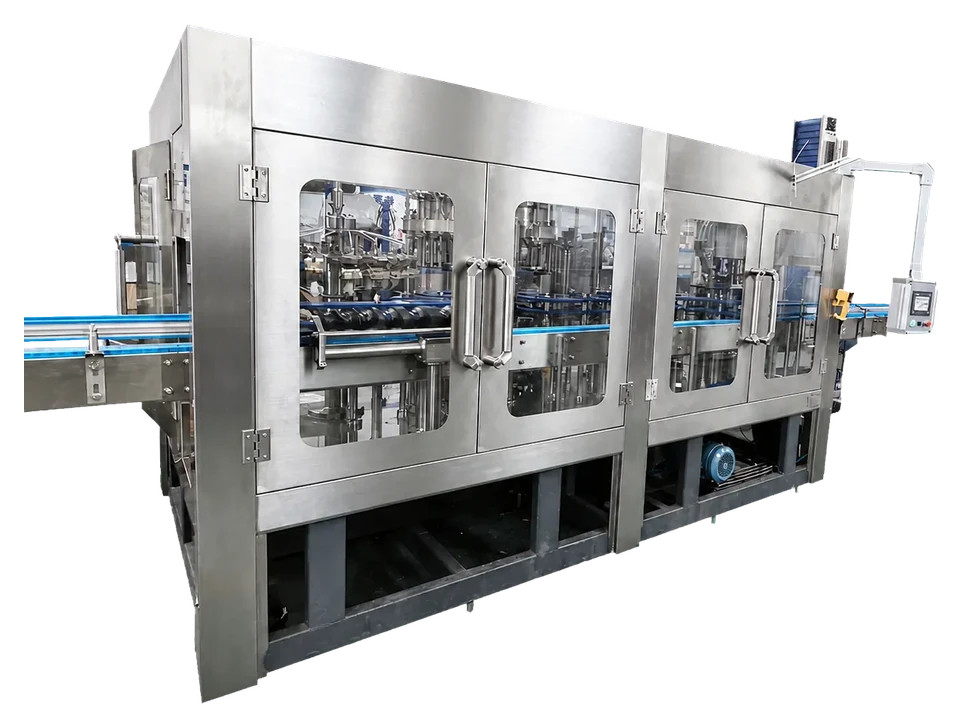
The PET route can begin with preforms or ready-made bottles. Air conveying links bottle supply directly to hygienic rinsing, filling and capping.Start with preforms or ready-made bottles, then fill and pack.
Glass container · premium water
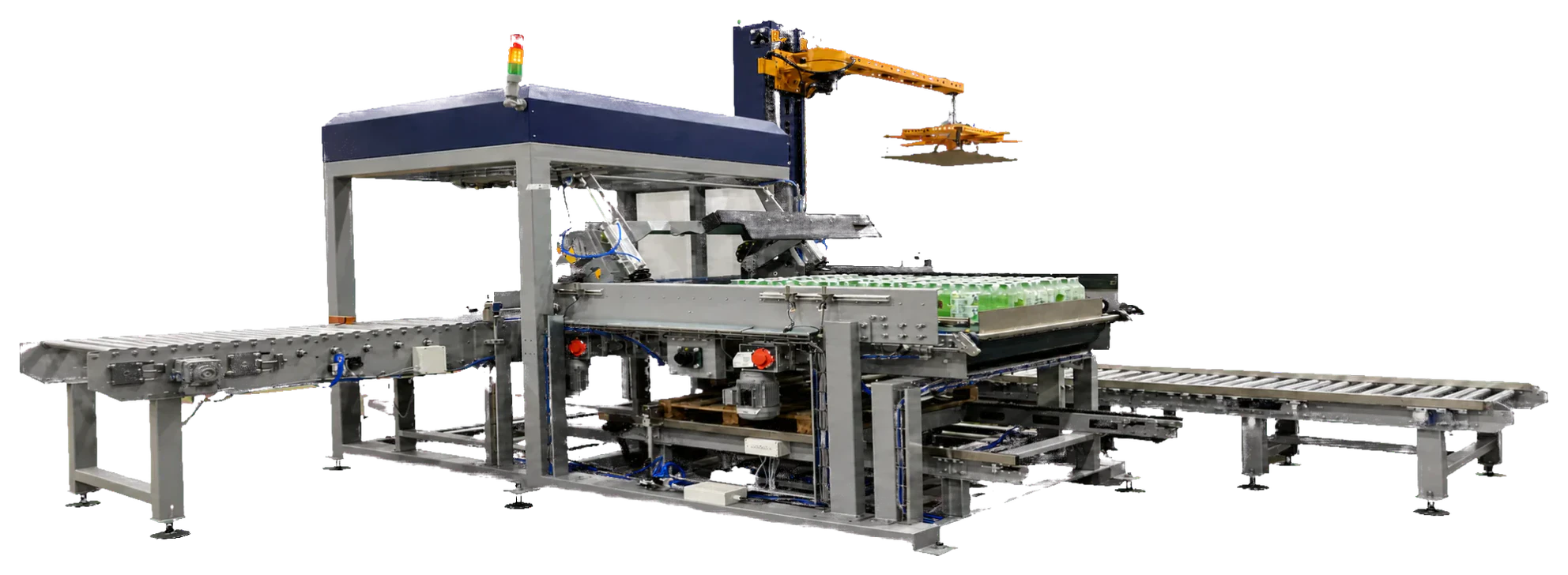
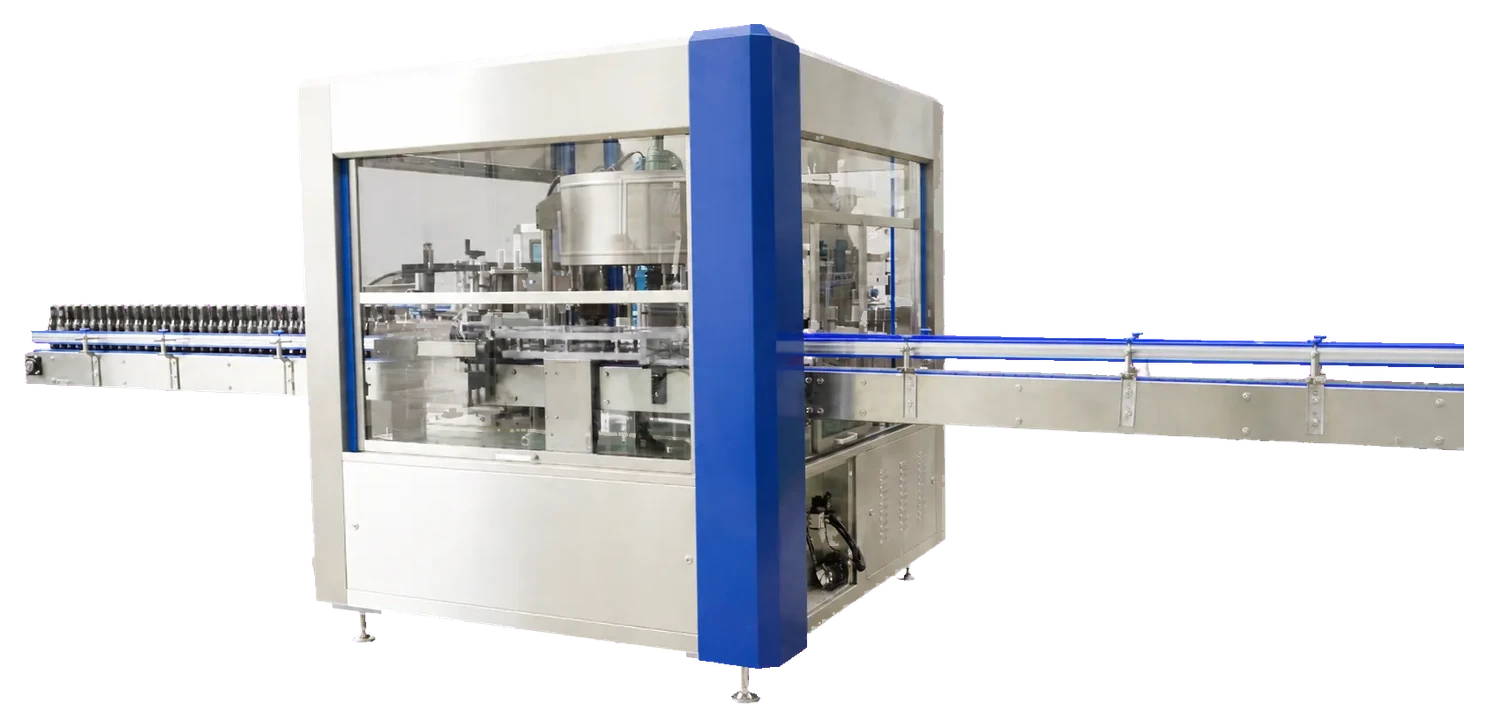
New or returnable bottles require controlled infeed and container-specific preparation before filling, closure, labelling and case packing.Prepare new or returnable glass, then fill, close and case-pack.
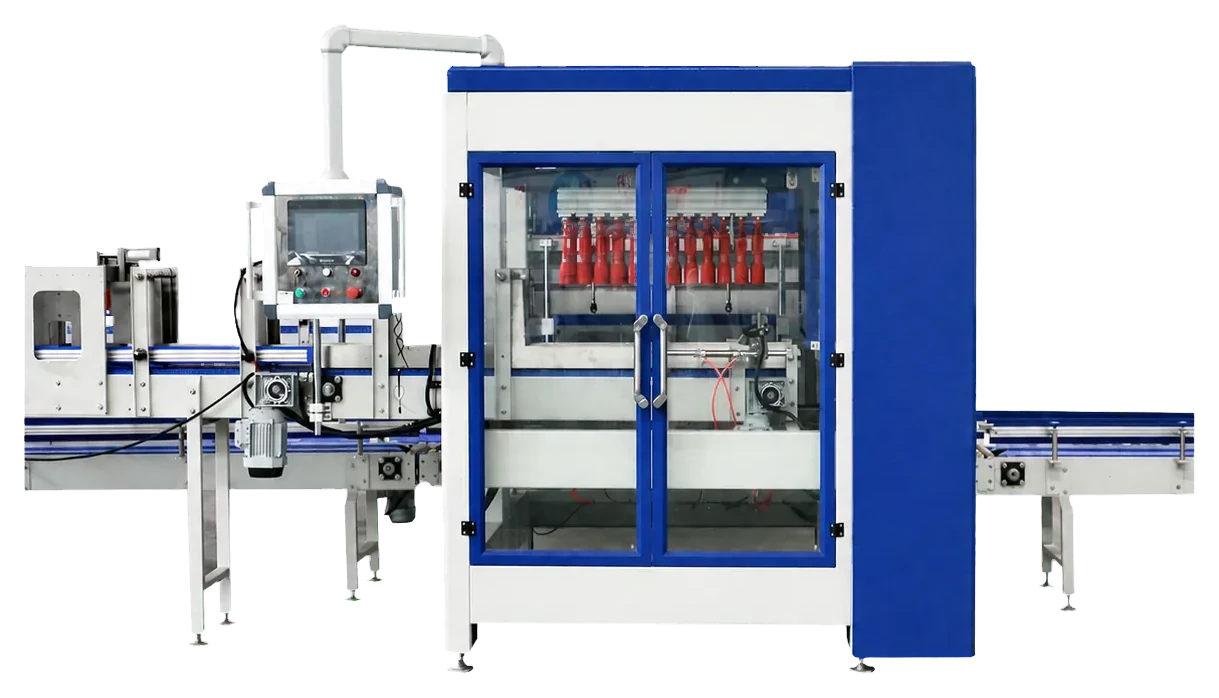
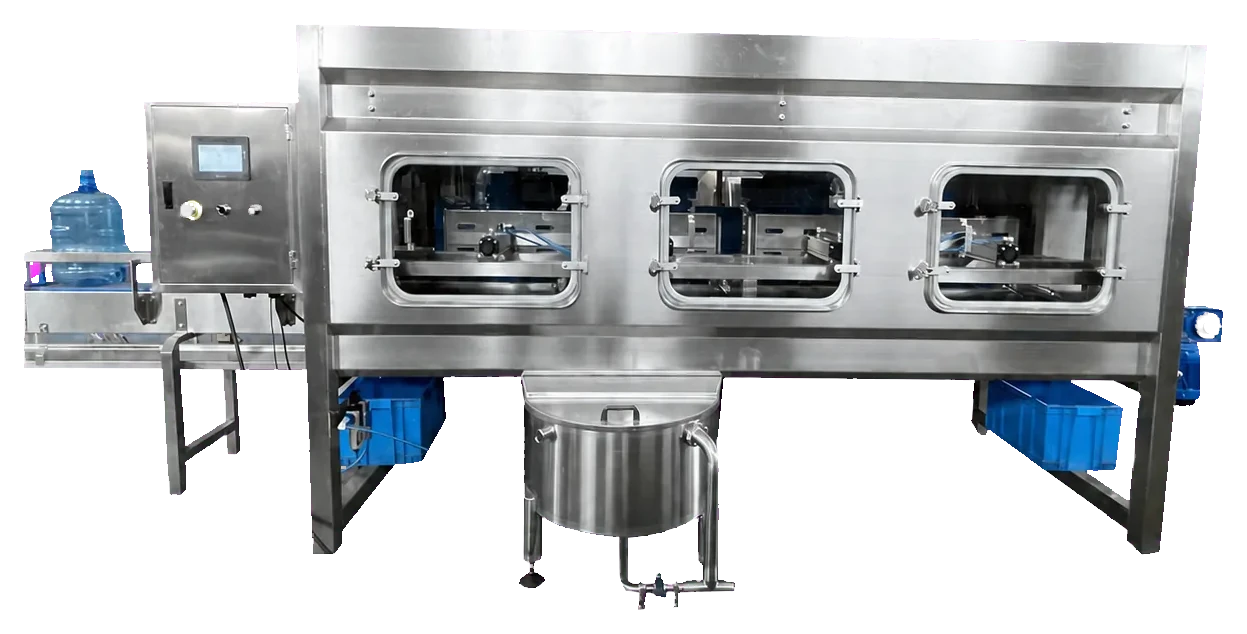
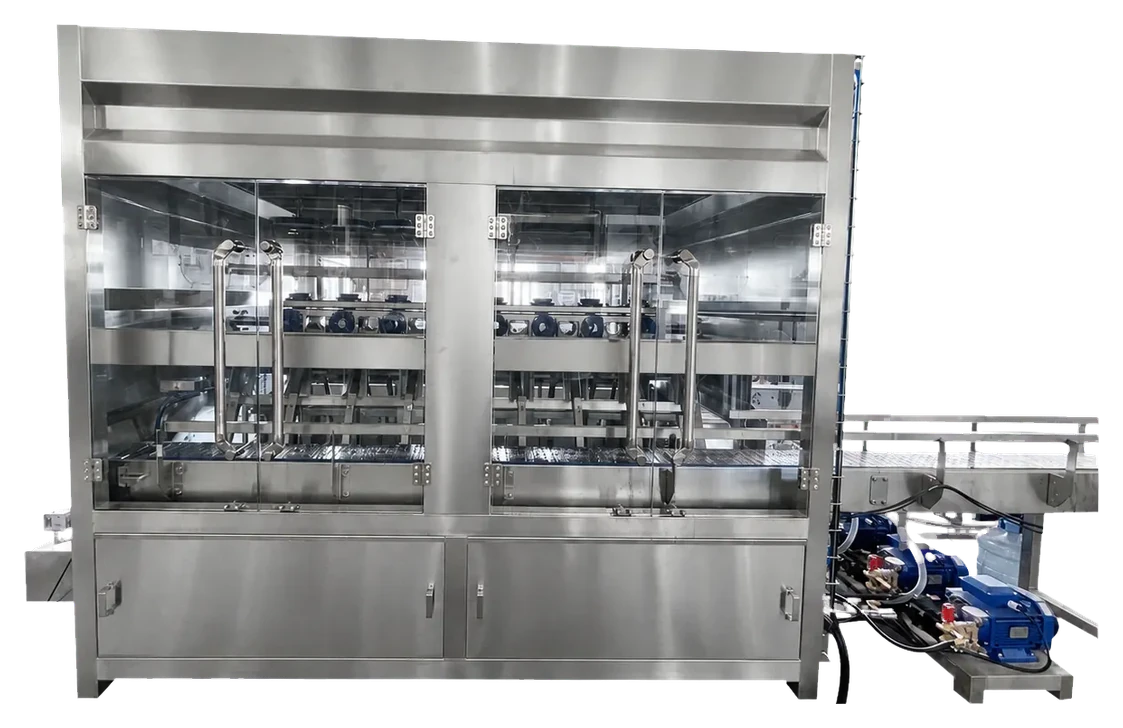
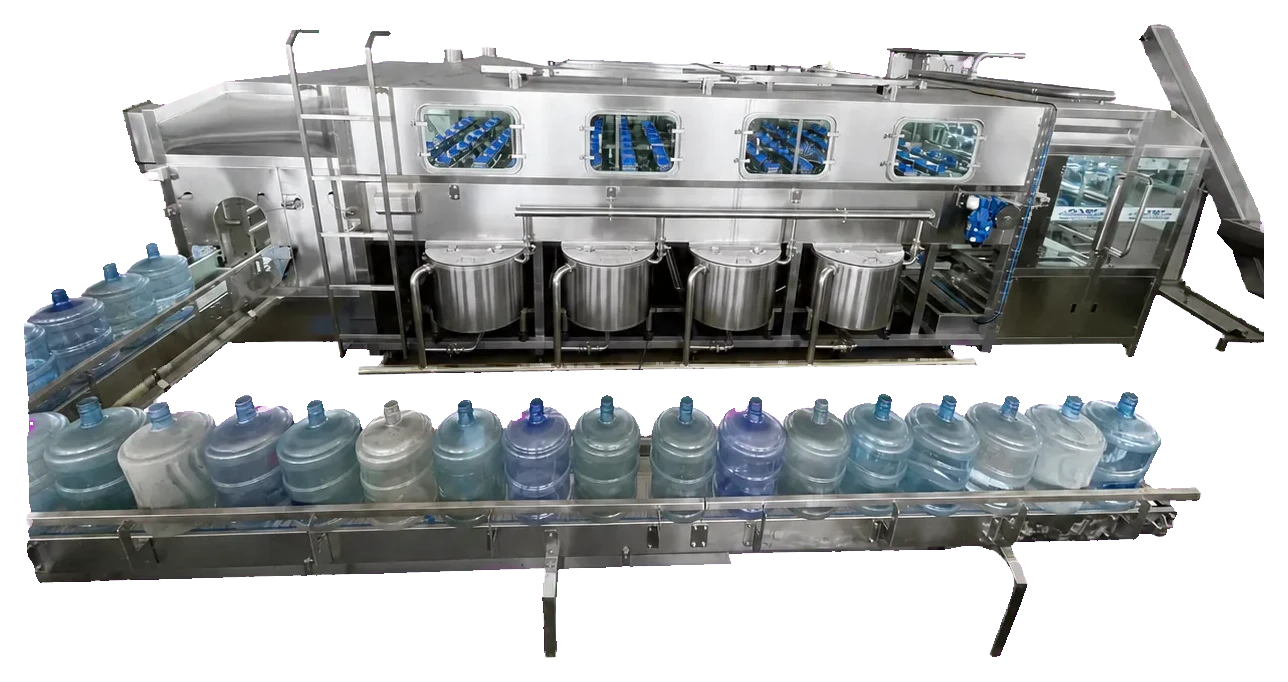
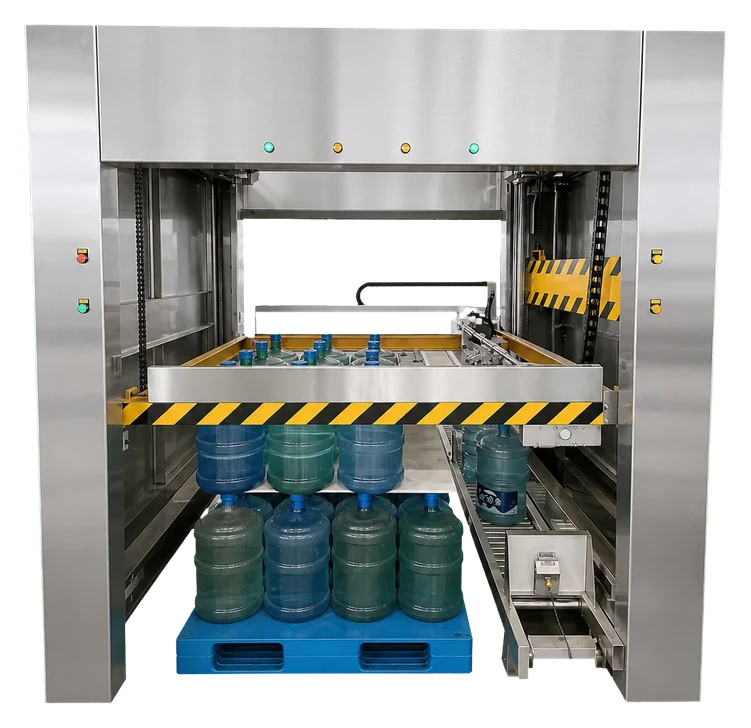
Returnable 5 gallon
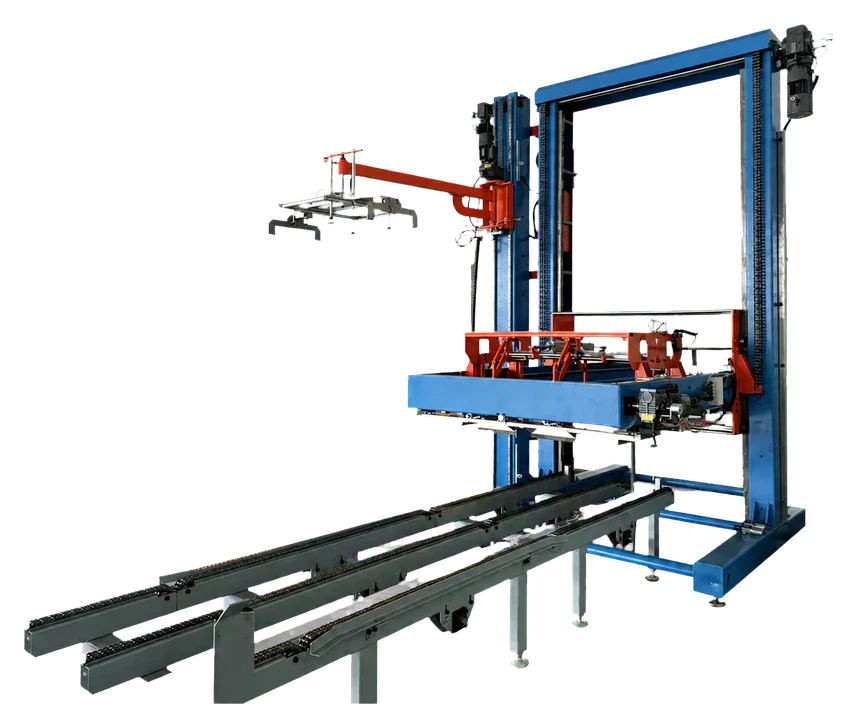
Reusable bottles pass through cap removal, external brushing and multi-stage internal washing before hygienic filling and capping.Remove caps, wash returned bottles, then refill and close.
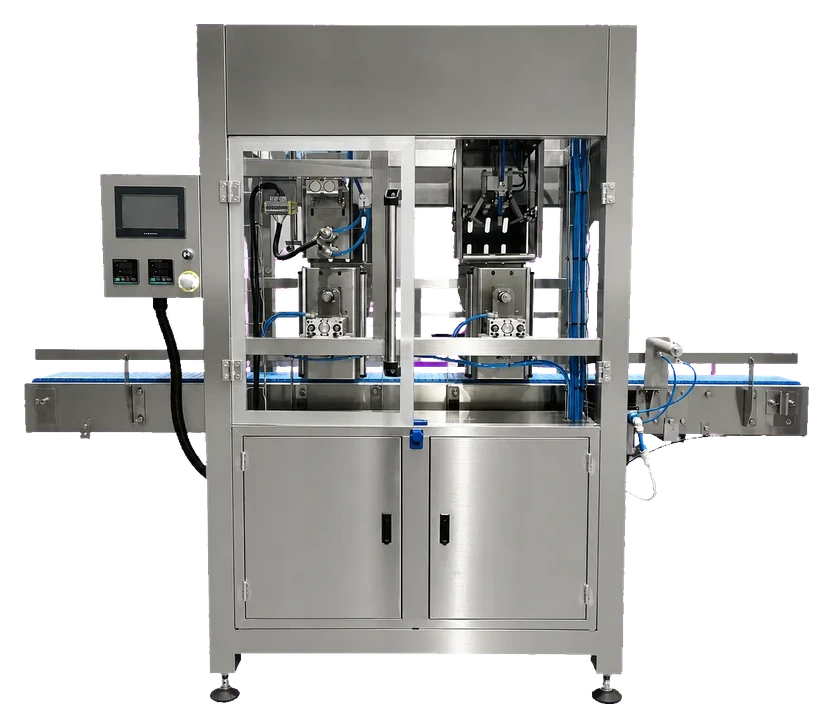
Single-use large PET · 5–19L
This route removes returnable-bottle washing and is configured around empty-container supply, large-format filling and ergonomic downstream handling.Supply single-use large bottles, then fill, label and pack.
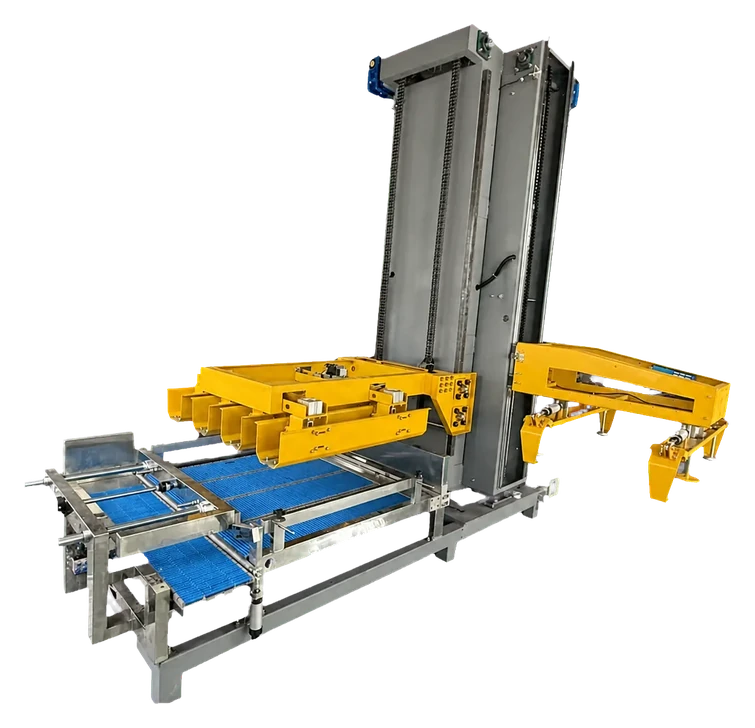
Define the product
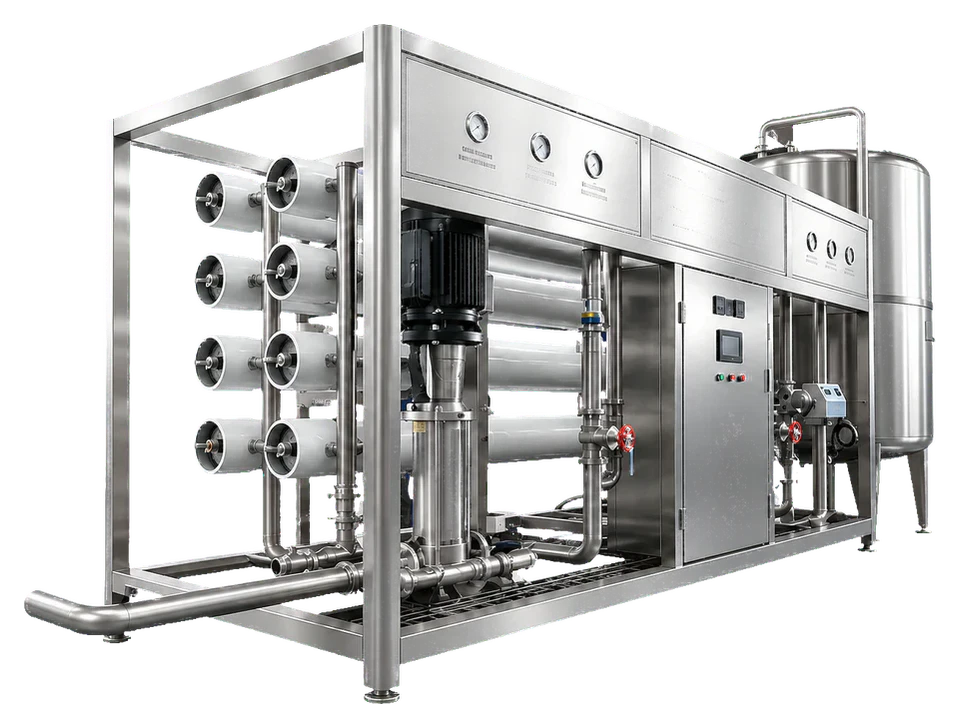
Choose the closest finished-water product. Its source, target profile and shelf-life requirements define the treatment process before filling.
Product images are format references. Final treatment is confirmed from your source-water report and the applicable local standard.
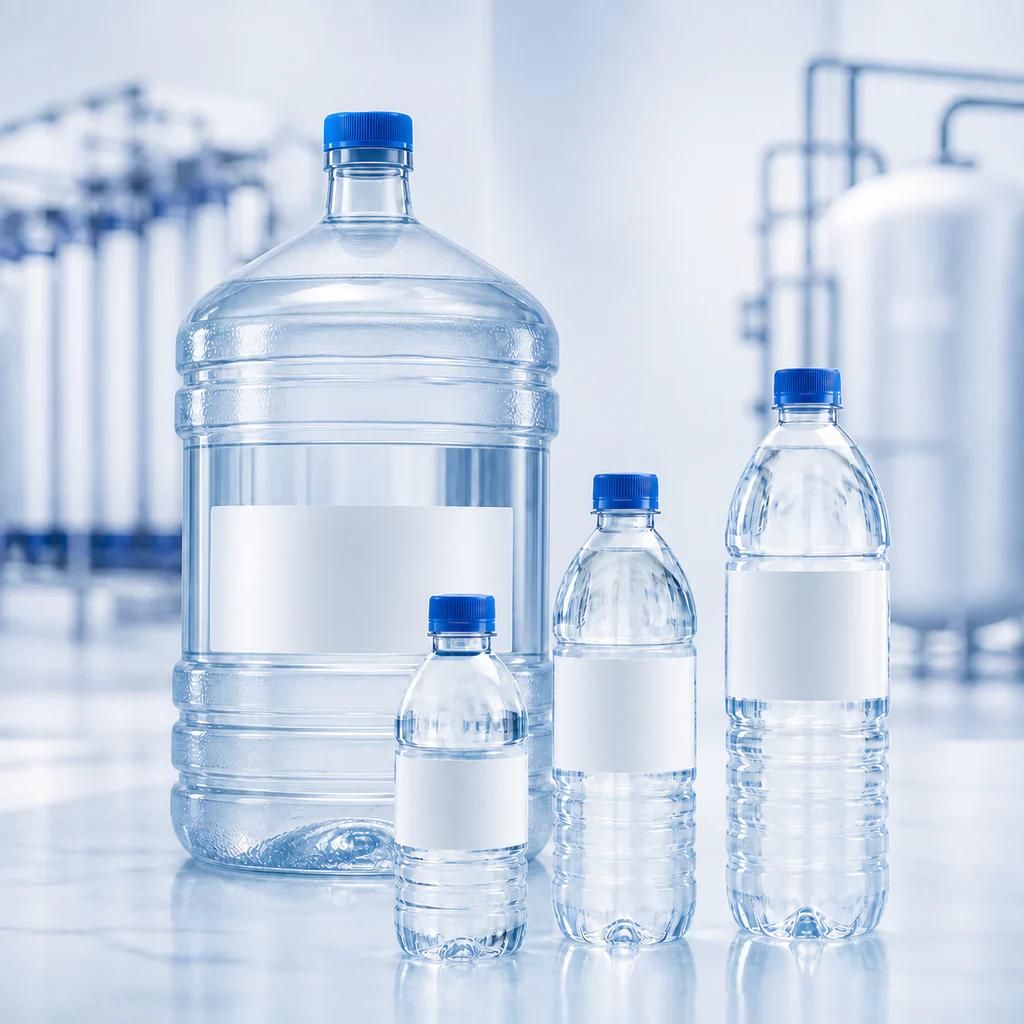
Consistent drinking water produced around the source analysis and target specification.
Consistent, controlled quality.
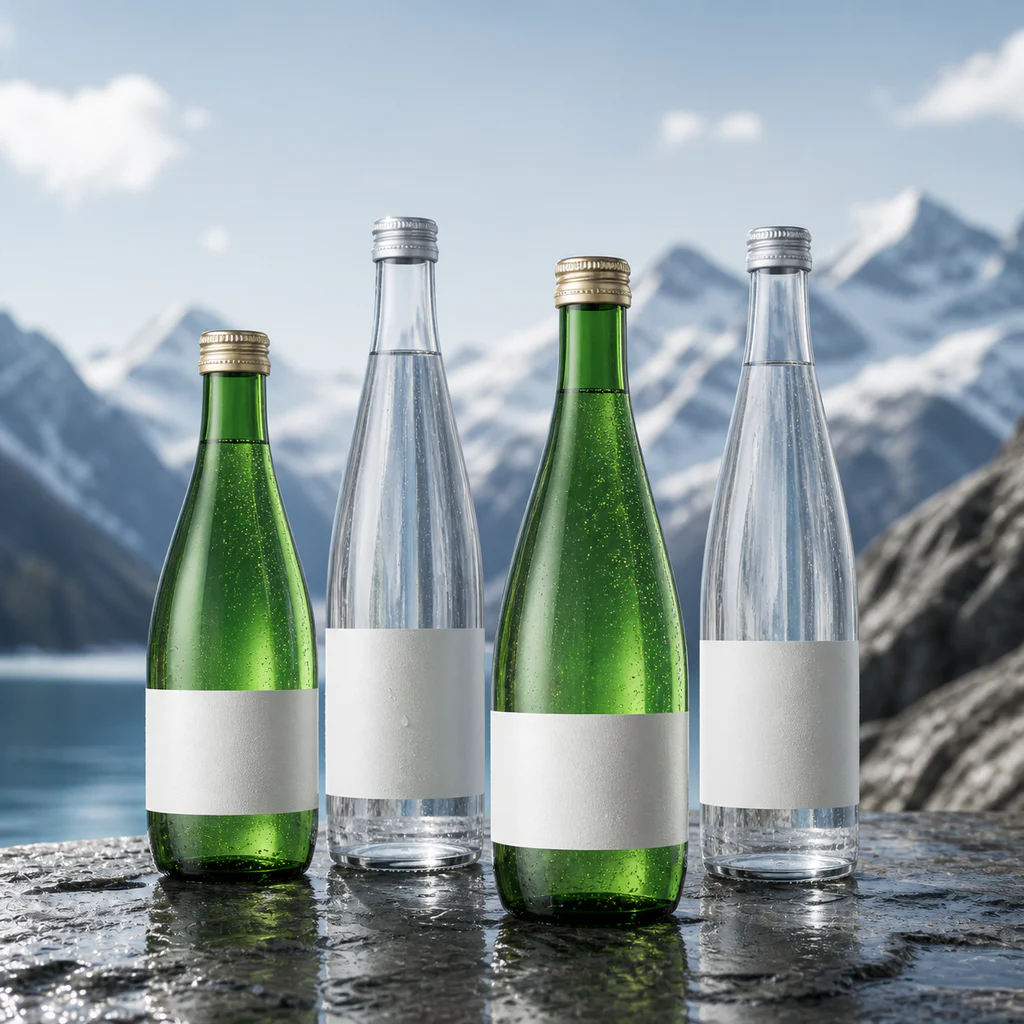
A low-intervention process designed to protect the source character and mineral profile.
Protect the natural mineral profile.
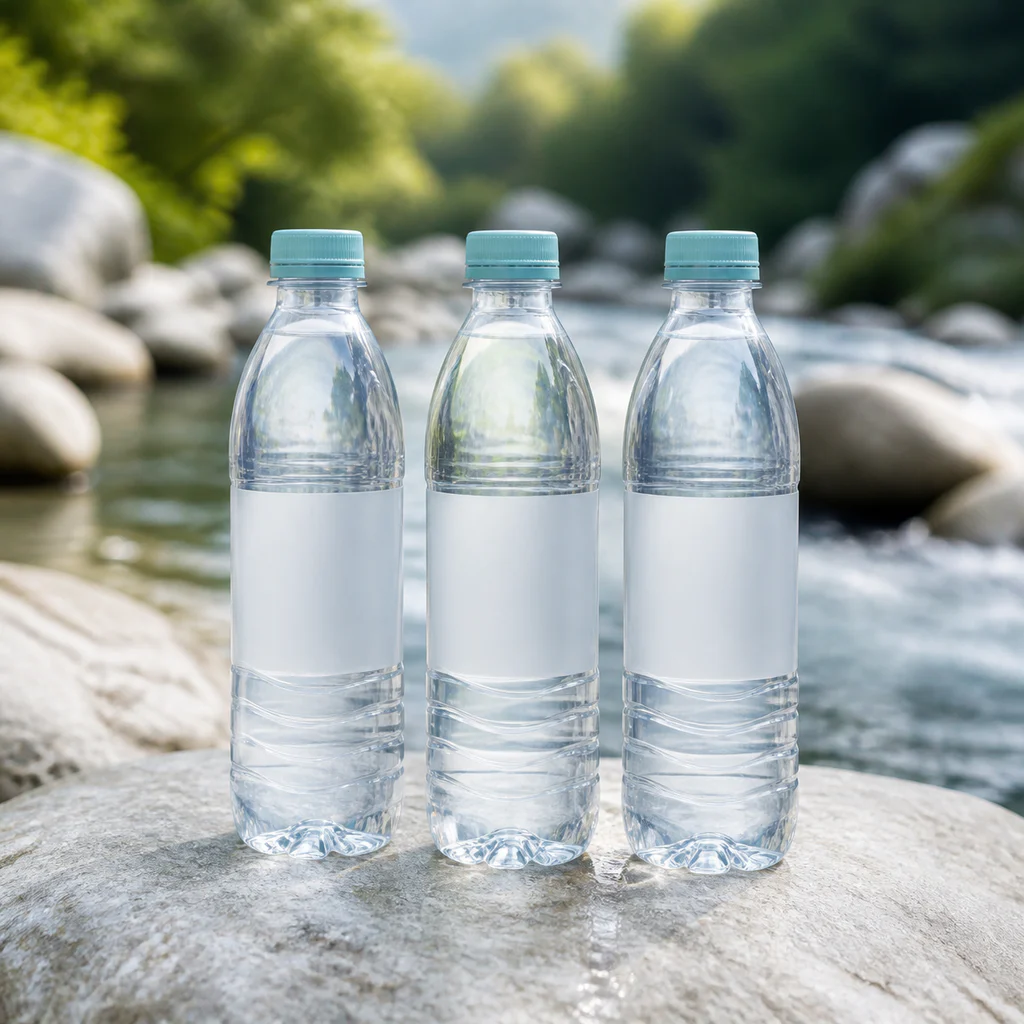
Source-led treatment and enclosed handling planned around local water quality requirements.
Treatment shaped by the source.
Controlled mineral dosing and blending for a repeatable finished-water formulation.
Controlled dosing and blending.
Consistent drinking water produced around the source analysis and target specification.
Typical scope · filtration + RO + disinfection
A low-intervention process designed to protect the source character and mineral profile.
Typical scope · selective filtration + hygienic transfer
Source-led treatment and enclosed handling planned around local water quality requirements.
Typical scope · source protection + filtration + UV / ozone
Controlled mineral dosing and blending for a repeatable finished-water formulation.
Typical scope · purified base + dosing + blending
Images are illustrative. Treatment depends on your source-water report and local requirements.
Not sure which treatment process fits your source water?
Discuss your water productWater line FAQ
Start with the source water, finished product and container. These answers help define the information needed for a line proposal.
Share your source-water analysis, finished-water specification, bottle and cap samples or drawings, target output, final pack format and available factory layout. These inputs define the scope for the treatment system, filling equipment and downstream packaging.
Start with the container you intend to sell and whether it is single-use or returnable. PET and glass require different handling arrangements; returnable 5-gallon bottles need a dedicated used-bottle preparation route. Select the closest route above, then confirm the bottle dimensions, closure and finished-pack requirements.
Treatment is selected from the source-water report and the finished-product target, not from bottle size alone. Tell us whether you plan to produce purified, natural mineral, spring or formulated water so the proposed process can be reviewed against the intended product and applicable requirements.
Specify the target bottles per hour for each bottle size, along with working hours and planned format changes. The proposal should state the reference container and operating basis, with bottle supply, filling, labeling and packaging reviewed together.
The line can be planned around in-house bottle blowing or a supply of ready-made bottles. Confirm the preform or bottle source, bottle drawings and available space before selecting the bottle-supply arrangement.
List every planned bottle and closure before equipment selection. Compatibility, change parts and changeover procedures must be reviewed for the proposed machine configuration; different container families should not be assumed to run on the same equipment.
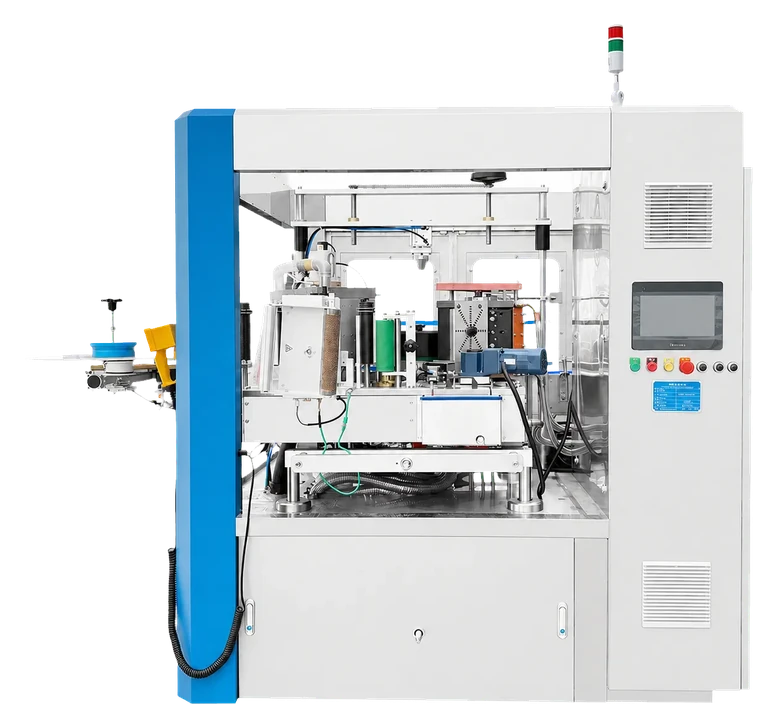
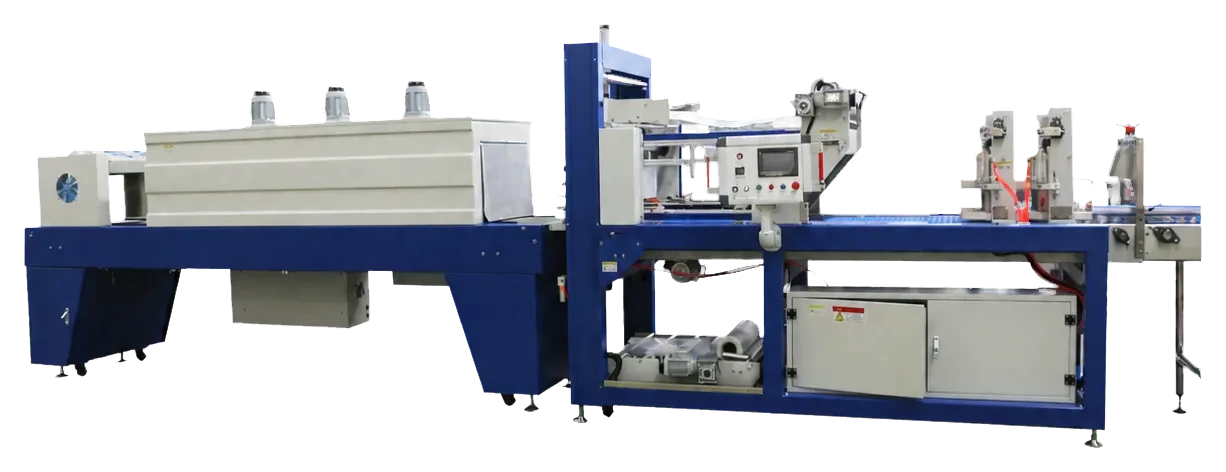
The project scope can include water treatment, bottle supply, rinsing or washing, filling and closing, inspection, labeling, conveying, secondary packaging and palletizing. New equipment and any machines you intend to retain should be identified in the layout and scope review.
Send us the product, package format and target output. We return a line configuration and budgetary quote.
Inquiry received
Our engineering team will respond within 24 hours with a line configuration.
Reference —